Che cosa sta cercando?
Una benda termica per scarichi da moto deve fare molto di più che apparire ordinata su un tubo dritto. Deve seguire la prima curva sotto la testata, adattarsi tra tubi ravvicinati e lasciare spazio per fascette, sensori, comandi a pedale e carrozzeria. Tali dettagli determinano spesso se un'installazione funziona meglio con un nastro in fibra di vetro stretto, una benda termica in titanio o una struttura in silice per temperature più elevate.
Inizia dal sistema di scarico, non dal colore del rotolo. Conferma che l'isolamento a contatto diretto sia consentito, stabilisci le condizioni operative, quindi scegli il materiale, la larghezza e la lunghezza richiesta. BSTFLEX fornisce bende termiche per scarichi e collettori per costruttori di moto, produttori di scarichi e distributori che lavorano con questi requisiti.
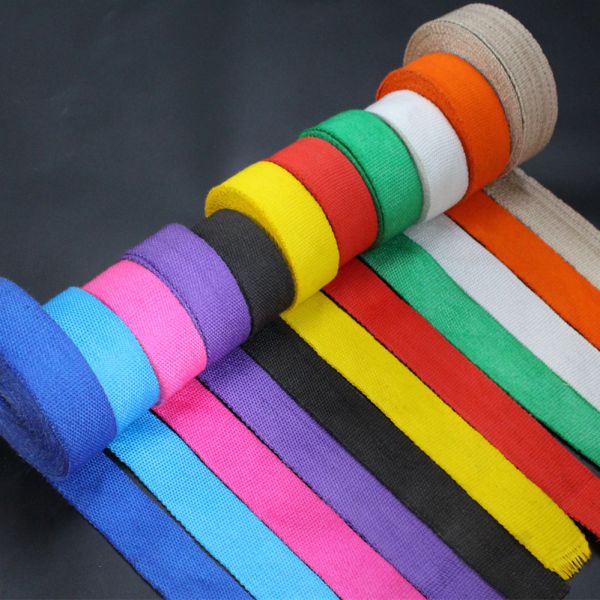
La benda termica per scarichi da moto aggiunge uno strato isolante in tessuto attorno all'esterno del tubo. Il suo scopo è limitare il trasferimento di calore dallo scarico verso i componenti vicini. Su una moto, le aree che richiedono attenzione possono includere la parte inferiore della gamba del pilota, i pannelli della carenatura, i tubi dei freni, il cablaggio e i supporti per i bagagli.
Il risultato dipende dall'installazione completa: temperatura del tubo, struttura della benda, copertura, flusso d'aria e spazio libero. Avvolgere un collettore non protegge automaticamente i componenti adiacenti in modo adeguato.
Uno scarico avvolto può comunque causare ustioni. La benda termica non è una superficie sicura al tatto né un sostituto per una protezione da contatto progettata correttamente. Tieni la pelle, gli indumenti e i bagagli lontani dallo scarico e mantieni le protezioni richieste.
Non esiste un'unica benda termica per scarichi da moto migliore per ogni moto. Un materiale dovrebbe innanzitutto soddisfare il requisito termico e poi essere valutato per adattabilità, finitura, esposizione e costo.
La fibra di vetro è un punto di partenza pratico per un'installazione approvata in cui la capacità di temperatura del prodotto selezionato è adeguata. La sua struttura intrecciata le consente di seguire i tubi del collettore e i tubi di collegamento senza una copertura isolante appositamente formata.
BSTFLEX Benda termica in fibra di vetro nera per scarichi fornisce un'opzione di prodotto in fibra di vetro per progetti che richiedono una finitura scura. Conferma le specifiche del prodotto finito, incluso qualsiasi rivestimento, piuttosto che scegliere solo in base al colore.
La benda termica in titanio è un'opzione da valutare per collettori di moto impegnativi e gruppi di scarico ad alte prestazioni, in particolare quando il grado di fibra di vetro proposto non fornisce un margine di temperatura sufficiente.
Il prodotto BSTFLEX Benda termica in titanio per scarichi da moto fornisce le opzioni corrispondenti di prodotto e dimensioni del rotolo. Confronta i limiti di temperatura specificati e i requisiti di installazione con l'applicazione reale sulla moto.
Il nome benda termica in titanio non stabilisce la compatibilità con un tubo di scarico in metallo titanio. L'approvazione della lega del tubo rimane un requisito separato.
Laddove l'esposizione richiesta superi la capacità delle altre strutture proposte, valuta la benda termica in silice BSTFLEX. Questa è un'opzione di materiale ad alta temperatura, non un requisito automatico per ogni moto da corsa o di alta cilindrata.
Un'etichetta da corsa, la cilindrata del motore o la potenza non possono sostituire la specifica della temperatura operativa. Per il lavoro di sviluppo, registra l'esposizione prolungata, i picchi brevi e la loro durata. Conferma se un limite citato si applica al servizio continuo, all'esposizione intermittente, al contatto diretto o al calore radiante; queste descrizioni non sono intercambiabili.
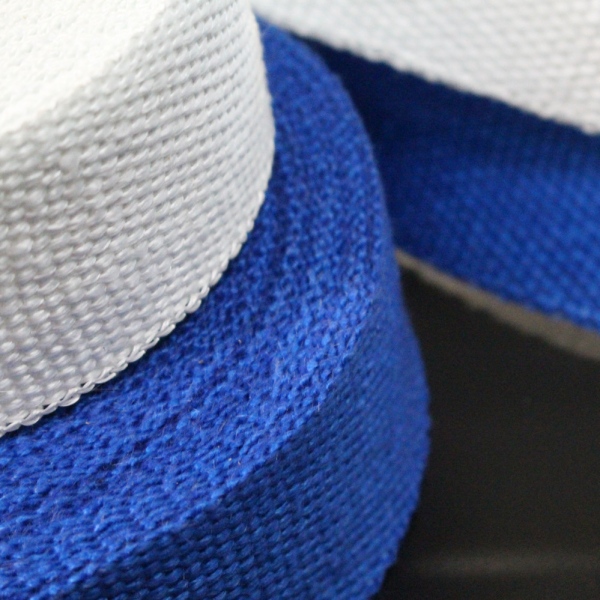
Scegli la larghezza in base alla parte più difficile del tubo, non solo alla sezione dritta più lunga. Un nastro che copre rapidamente un tubo dritto può risultare scomodo attorno alla prima curva stretta o a un collettore ravvicinato.
| Punto di selezione | Benda termica per scarichi da moto da 1 pollicebenda | Benda termica per scarichi da moto da 2 pollici |
|---|---|---|
| Curve strette e tubi piccoli | Più facile da posizionare attraverso i cambi di direzione | Richiede più attenzione per evitare pieghe e copertura irregolare |
| Sezioni di tubo lunghe e accessibili | Richiede più giri per una copertura equivalente | Copre più lunghezza per giro alla stessa sovrapposizione proporzionale |
| Collettori primari ravvicinati | Utile dove l'accesso è limitato | Controllare lo spazio di lavoro prima di selezionare il rotolo |
| Selezione della produzione | Valutare l'adattamento e il tempo di installazione su un campione | Valutare l'adattamento e il tempo di installazione su un campione |
Un pollice equivale a 25,4 mm e due pollici equivalgono a 50,8 mm. Quando si ordina un prodotto nominale da 25 mm o 50 mm, specificare la larghezza e la tolleranza richieste invece di considerare le dimensioni metriche e in pollici come identiche.
Controllare anche il diametro esterno finito dopo l'avvolgimento. Lo spessore e la sovrapposizione devono lasciare spazio sufficiente per lo schermo originale, la staffa di montaggio, la carenatura e i componenti mobili.
Non scegliere un rotolo semplicemente perché la motocicletta è un modello monocilindrico, bicilindrico o a quattro cilindri. Misurare il diametro esterno e la lunghezza della linea centrale di ogni sezione di tubo che verrà effettivamente coperta. Escludere giunti e componenti che devono rimanere esposti, quindi considerare separatamente i collettori o le variazioni di diametro.
Gli input principali per il calcolo sono il diametro esterno del tubo, la lunghezza del tubo da coprire, la larghezza del nastro e la sovrapposizione. Considerare il fissaggio delle estremità, le regolazioni relative alle curve e la variazione dell'installazione. Una stima per un tubo dritto è una cifra di pianificazione, non una quantità finita garantita.
Il BSTFLEX Calcolatore per bende termiche e guida alle dimensioni spiega l'approccio di misurazione. Per la produzione ripetuta, confermare il consumo su uno scarico campione prima di impostare la lunghezza di taglio o la quantità del kit.
La gamma di prodotti in titanio per motociclette elenca rotoli da 1 pollice e 2 pollici in lunghezze che includono 15, 25, 33, 50 e 100 piedi. Queste sono opzioni di acquisto, non dichiarazioni che un particolare rotolo coprirà ogni scarico di motocicletta.
Specificare la costruzione oltre alla finitura. La benda termica in fibra di vetro nera e la benda termica in titanio nero non devono essere trattate come lo stesso prodotto semplicemente perché entrambe hanno una superficie scura.
Per una costruzione in titanio con finitura nera, consultare BSTFLEX Benda termica nera in titanio per tubi di scarico. Durante l'approvazione del campione, valutare sia l'idoneità termica che l'aspetto dopo un uso rappresentativo. Non dare per scontato che il colore originale rimarrà invariato indefinitamente.
Utilizzare le istruzioni fornite per la benda selezionata insieme ai requisiti di manutenzione della motocicletta e del sistema di scarico. La seguente sequenza è una guida alla pianificazione; non sostituisce le istruzioni di montaggio specifiche per il componente.
Lavorare solo su uno scarico completamente raffreddato e su una motocicletta supportata in modo sicuro. Controllare il tubo, le saldature, le staffe e i giunti prima di coprirli. Riparare prima crepe, perdite o corrosione significativa. Contrassegnare le sezioni da avvolgere e le aree che devono rimanere accessibili.
Laddove sia necessaria la rimozione per un accesso adeguato, seguire la procedura di rimozione e rimontaggio dello scarico. Non forzare un rotolo attraverso uno spazio a scapito di cablaggi danneggiati o copertura irregolare.
Rimuovere olio, grasso e contaminazione sciolta utilizzando un metodo compatibile con la finitura dello scarico. Lasciare evaporare completamente i prodotti per la pulizia prima dell'installazione o del funzionamento del motore. Indossare guanti, maniche lunghe e protezione per gli occhi e seguire le informazioni sulla sicurezza dei materiali per la manipolazione delle fibre.
Non immergere automaticamente ogni benda. Il pre-inumidimento dipende dalla costruzione e dal rivestimento. Ad esempio, la specifica della BSTFLEX Benda termica nera in titanio per tubi di scarico afferma che il pre-inumidimento non è necessario. Seguire le istruzioni per il particolare prodotto fornito.
Pianificare le posizioni di inizio e fine prima di avvolgere il nastro. Lasciare spazio per azionare i morsetti, raggiungere i dispositivi di fissaggio e rimuovere le parti di servizio in seguito. Fissare la prima sezione come indicato e posizionare il dispositivo di fissaggio in modo che non possa entrare in contatto con un tubo, un cavo o il pilota.
Lavorare progressivamente attorno al tubo con una tensione uniforme e la sovrapposizione specificata. Controllare sia l'interno che l'esterno di ogni curva. Un raggio esterno dall'aspetto pulito può nascondere grinze all'interno o spazi vuoti tra i giri.
Non tirare eccessivamente il nastro per far arrivare più lontano un rotolo corto. Se la larghezza selezionata non riesce a seguire una curva in modo pulito, rivalutare la larghezza o il piano di copertura. Aggiungere strati extra non controllati non sostituisce una specifica di installazione adeguata.
Utilizzare fascette, filo o morsetti in acciaio inossidabile ad alta temperatura idonei come specificato. Le normali fascette in plastica non sono dispositivi di fissaggio adatti per bende termiche. Tagliare o fissare le code metalliche affilate in modo che non possano ferire l'installatore o danneggiare le parti circostanti.
Dopo il rimontaggio, controllare l'accesso e lo spazio libero attorno ai comandi a pedale, al cavalletto laterale, al tubo del freno, alla carenatura e agli schermi termici esistenti. Confermare che la benda e i fissaggi non interferiscano con il movimento o la manutenzione richiesti.
Seguire la procedura di riscaldamento iniziale fornita all'aperto, lontano da spazi chiusi e materiali combustibili. Alcune finiture o residui di lavorazione possono produrre odori temporanei o fumo leggero. Non dare per scontato che ogni condizione di fumo sia normale: spegnere il motore e indagare su fumo denso persistente, fiamme, contaminazione da fluidi o perdite di scarico.
Lasciare raffreddare completamente lo scarico prima dell'ispezione. Controllare nuovamente i dispositivi di fissaggio, la copertura e gli spazi liberi prima del normale utilizzo.
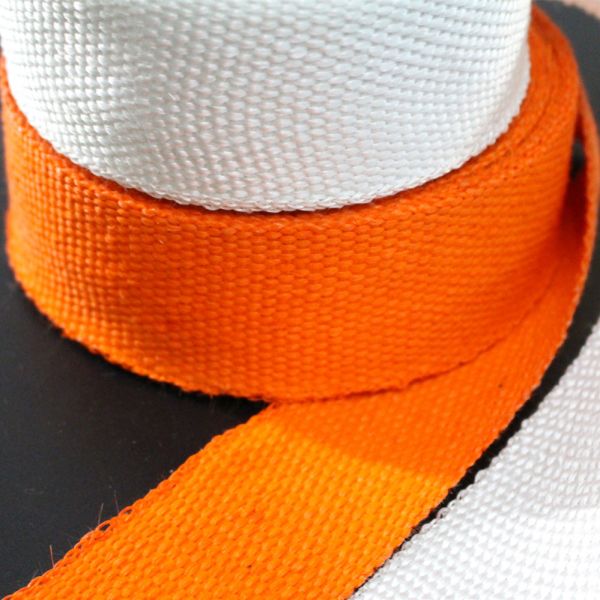
Convertitori catalitici:Non includere automaticamente un convertitore nell'area avvolta. L'isolamento diretto può modificarne le condizioni termiche. Seguire i requisiti del sistema di scarico e valutare una protezione separata dove opportuno.
Giunti flessibili e di servizio:Non ponticellare strettamente una sezione flessibile né coprire un giunto che deve muoversi o essere scollegato. Mantenere accessibili giunti a scorrimento, fascette, molle e elementi di fissaggio di servizio.
Sensori:Mantenere i corpi dei sensori, i connettori e i cablaggi lontani dalla fasciatura e mantenere l'accesso di servizio richiesto.
Scarichi in titanio metallico o con finiture speciali:Ottenere l'approvazione del produttore del sistema di scarico prima di applicare l'isolamento a contatto diretto. Un'elevata classificazione della temperatura della fasciatura non dimostra che il tubo sottostante possa tollerare la diversa esposizione al calore.
Per una motocicletta utilizzata in condizioni di bagnato, includere l'esposizione all'umidità e l'ispezionabilità nella decisione di progettazione. La fasciatura dello scarico non deve essere specificata come impermeabilizzazione o protezione dalla corrosione.
Ispezionare regolarmente l'installazione per verificare la presenza di bordi danneggiati, elementi di fissaggio allentati, abrasioni e contaminazioni. La contaminazione da olio o carburante richiede attenzione prima dell'uso successivo. Correggere la perdita e valutare l'isolamento interessato anziché cercare di bruciare la contaminazione.
Non presupporre che la fasciatura invecchiata dal calore possa essere rimossa e riutilizzata. Controllare le sue condizioni e le indicazioni del prodotto prima di toccarla. Dove l'ispezione frequente dei tubi o la rimozione sono essenziali, uno schermo rimovibile può essere una scelta più pratica.
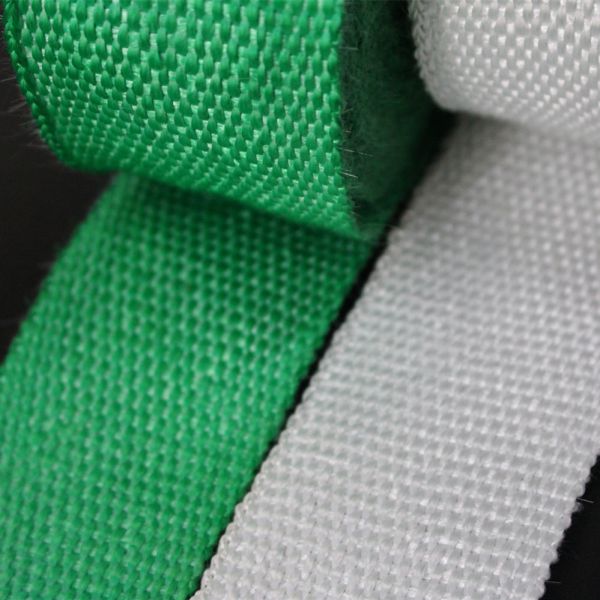
Un kit di fasciatura per scarichi moto deve essere specificato in base a un'installazione definita anziché a una quantità di rotolo universale presunta. Per i distributori e i produttori di scarichi, il rotolo, la minuteria di fissaggio e le istruzioni devono corrispondere alla copertura prevista.
| Dettaglio del preventivo | Informazioni da fornire |
|---|---|
| Materiale e finitura | Fibra di vetro, titanio o silice; colore e finitura richiesti |
| Larghezza e spessore | Dimensioni effettive, unità ed eventuali tolleranze critiche |
| Lunghezza del rotolo o del taglio | Lunghezza richiesta per rotolo o gruppo, confermata da un'installazione di prova |
| Layout dello scarico | Diametri dei tubi, lunghezze coperte, curve, giunti e fotografie o disegni |
| Condizioni operative | Esposizione alla temperatura, ciclo di lavoro, condizioni di umidità e abrasione |
| Elementi di fissaggio e imballaggio | Tipi e quantità di fissaggi richiesti, contenuto del kit, etichette e formato dell'imballaggio |
| Quantità di fornitura | Requisito del campione, quantità dell'ordine e domanda ripetuta prevista |
BSTFLEX supporta larghezze, lunghezze di rotolo e imballaggi con marchio privato personalizzati per progetti OEM e di distribuzione. Includere il contenuto del kit proposto nella richiesta in modo che la costruzione e l'imballaggio possano essere esaminati insieme.
La scelta migliore è la struttura che soddisfa i requisiti di temperatura, vestibilità ed esposizione dell'installazione dello scarico approvata. Confrontare fibra di vetro, titanio e silice in base ai loro dati di prodotto specifici anziché selezionare solo in base all'aspetto o alla temperatura massima pubblicizzata.
La fasciatura da un pollice è generalmente più facile da applicare intorno a curve strette e tubi dei collettori ravvicinati. La fasciatura da due pollici può coprire più rapidamente sezioni accessibili e più lunghe. Controllare la curva più difficile prima di scegliere una larghezza per l'intero scarico.
Misurare separatamente ciascuna sezione di tubo coperta, quindi calcolare in base a diametro del tubo, lunghezza, larghezza della fasciatura e sovrapposizione. Includere un margine d'installazione e confermare la quantità con una prova di montaggio ove praticabile.
Non fare affidamento sulla fasciatura per prevenire le ustioni. La superficie esterna può rimanere pericolosamente calda. Mantenere la distanza di sicurezza e utilizzare le protezioni da contatto richieste e l'abbigliamento protettivo da moto.
Seguire le istruzioni del prodotto scelto. Alcune strutture consentono l'installazione a umido, mentre altre non richiedono il pre-inumidimento. Un metodo adatto a una benda non dovrebbe essere applicato automaticamente a un'altra.
No. La benda termica per scarichi non è un prodotto per riparazioni strutturali o per sigillare perdite. Riparare lo scarico prima di considerare l'isolamento.
Non si deve presumere alcun aumento specifico di potenza. Considerare la benda come un componente per la gestione termica e verificare qualsiasi variazione delle prestazioni tramite test sulla moto completa.
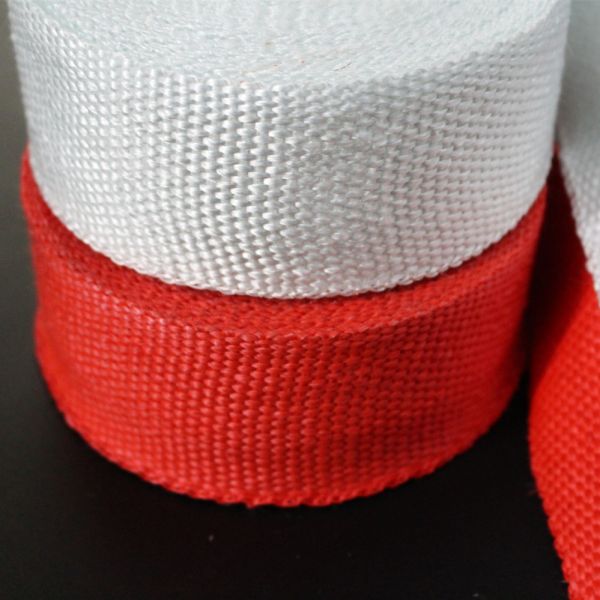
Invia a BSTFLEX il layout dello scarico, i requisiti di temperatura, la larghezza proposta e la quantità richiesta. Per i kit OEM, includere i requisiti di fissaggio e imballaggio. Inizia con il prodotto benda termica in titanio per scarichi moto o confronta le strutture disponibili nella gamma Bende termiche per scarichi e collettori.

No.10, Chuangxin North Road, Nanshan Park, Ningguo Economic and Technological Development Zone, Ningguo City, Anhui Province, China
tel/Whatsapp : 0086-15856303740
e-mail : sales@bstbraidedsleeve.com
Skype : vanesa-cheng