Che cosa sta cercando?
UN scudo termico in alluminio goffrato è un materiale di protezione termica di precisione progettato per riflettere il calore radiante, ridurre le temperature superficiali e proteggere i componenti che operano in ambienti ad alta temperatura. La sua struttura goffrata aumenta la rigidità superficiale, migliora la dissipazione termica e le caratteristiche di smorzamento acustico. Grazie alla sua composizione leggera e all'eccellente riflettività termica, la schermatura termica in alluminio goffrato è ampiamente utilizzata nei sistemi di scarico automobilistici, nei vani motore, nei macchinari industriali, nei sistemi HVAC e nelle attrezzature per impieghi gravosi.
I motori e i sistemi industriali moderni generano temperature sempre più elevate con l'aumentare delle prestazioni richieste. Senza barriere termiche adeguate, il calore può degradare parti in plastica, cablaggi, pannelli della carrozzeria, componenti elettronici e componenti adiacenti. Gli scudi termici in alluminio goffrato offrono un metodo affidabile e durevole per gestire i carichi termici, prolungare la durata dei componenti e migliorare la sicurezza operativa.
Questo articolo esamina la scienza, la costruzione, i vantaggi, le applicazioni, le specifiche tecniche, le considerazioni sull'installazione e le domande frequenti relative agli scudi termici in alluminio goffrato.
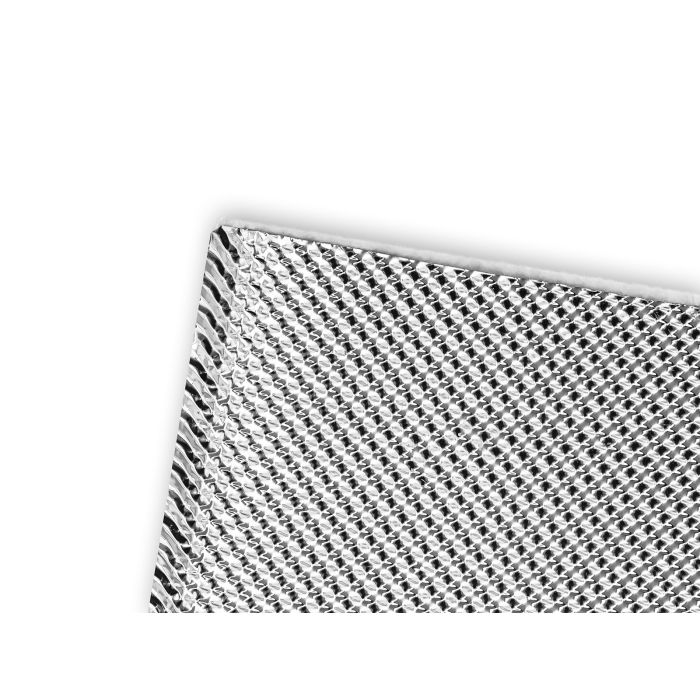
Uno scudo termico in alluminio goffrato è un foglio di alluminio multistrato o monostrato stampato con motivi in rilievo che ne aumentano la resistenza, la rigidità e la superficie termoriflettente. Questi motivi creano sacche d'aria che agiscono come barriere termiche, contribuendo a ridurre il trasferimento di calore per conduzione e irraggiamento. In molti progetti, lo strato di alluminio è laminato con fibra di vetro, basalto, feltro ceramico o altri materiali isolanti per ottenere una maggiore resistenza alla temperatura e una migliore stabilità strutturale.
La finitura goffrata non solo rinforza il metallo, ma riduce anche il rumore, rendendola adatta sia per applicazioni termiche che acustiche. A seconda del grado di produzione, gli scudi termici goffrati possono resistere a temperature superiori a diverse centinaia di gradi Celsius, rendendoli indispensabili nei sistemi di controllo delle prestazioni automobilistiche, nei macchinari pesanti e nella gestione del calore industriale.
L'alluminio riflette naturalmente una parte significativa del calore radiante. La texture goffrata amplifica questo effetto aumentando la superficie e disperdendo la radiazione termica.
Rispetto all'acciaio o ai pannelli compositi multistrato, l'alluminio goffrato offre una protezione elevata con un peso aggiuntivo minimo. Questo è particolarmente importante nelle applicazioni automobilistiche e aerospaziali.
Il motivo in rilievo rinforza notevolmente la lamiera, consentendo all'alluminio più sottile di comportarsi come un metallo più spesso, mantenendo al contempo la flessibilità necessaria per la modellatura e la formatura.
Il modello riduce la risonanza e le vibrazioni, contribuendo ad abbassare i livelli di rumore nei vani motore, negli alloggiamenti dei macchinari e nei sistemi di scarico.
L'alluminio offre un'eccezionale resistenza alla corrosione e longevità anche in ambienti difficili, con presenza di acqua, olio, polvere o sostanze chimiche.
A seconda del grado e dello spessore, gli scudi termici in alluminio goffrato possono resistere a temperature continue pari o superiori a 500 gradi Celsius se rinforzati con un supporto isolante.
Il materiale può essere tagliato, piegato, forato, rivettato o fissato facilmente, rendendolo adattabile ad applicazioni personalizzate.
È adatto per sistemi di scarico automobilistici, gestione del calore turbo, condotti HVAC, alloggiamenti di generatori, forni industriali e altro ancora.
Il motivo rialzato e rientrante aumenta la rigidità strutturale e disperde il calore. Le micro-sacche d'aria creano sottili zone isolanti che riducono la conduzione del calore.
A seconda delle esigenze prestazionali, il foglio di alluminio può essere laminato con uno dei seguenti:
Tappetino in fibra di vetro
feltro ceramico
Stuoia in fibra di basalto
Tessuto in fibra di vetro alluminizzata
Questi strati aggiungono isolamento termico mentre l'alluminio fornisce proprietà riflettenti.
Gli adesivi resistenti al calore o i processi di incollaggio ad alta temperatura garantiscono una struttura multistrato stabile per applicazioni impegnative.
L'alluminio goffrato può essere pressato in forme complesse senza perdere l'integrità strutturale, rendendolo adatto alla progettazione di scudi termici personalizzati nei collettori di scarico e nei sistemi turbo per autoveicoli.
Gli scudi termici in alluminio goffrato sono comunemente installati attorno a tubi di scarico, convertitori catalitici, marmitte e collettori di scarico. Riducono l'esposizione al calore di pannelli della carrozzeria, tubi del carburante, tubi dei freni e altri componenti sensibili.
Il calore emesso dagli alloggiamenti dei turbocompressori e dalle uscite delle turbine può danneggiare i componenti circostanti. Gli schermi in alluminio goffrato aiutano a deviare l'aria calda e a stabilizzare le temperature del turbocompressore.
I pannelli in alluminio leggero proteggono i cablaggi, le batterie, i componenti di aspirazione e l'elettronica dal calore radiante eccessivo.
Le attrezzature edili, i macchinari agricoli, i generatori e gli impianti idraulici richiedono una protezione termica costante, soprattutto nei compatti vani motore.
Gli scudi termici goffrati vengono utilizzati nelle unità di trattamento aria, nei sistemi di condotti, negli alloggiamenti delle caldaie e nei pannelli isolanti per gestire il flusso di calore e migliorare l'efficienza energetica.
Le unità di lavorazione ad alta temperatura utilizzano pannelli in alluminio goffrato come barriere termiche e rivestimenti riflettenti.
Le imbarcazioni e i motori diesel marini utilizzano schermature in alluminio per gestire i livelli di calore in cabina e migliorare la sicurezza nei vani motore chiusi.
| Proprietà | Valore |
|---|---|
| Materiale | Lamiera di alluminio goffrata, supporto opzionale in fibra di vetro o ceramica |
| Spessore dell'alluminio | Da 0,1 a 1,0 millimetri a seconda del grado |
| Resistenza alla temperatura continua | Circa 450-600 gradi Celsius a seconda della struttura |
| Tolleranza alla temperatura di picco | Fino a circa 700 gradi Celsius con supporto isolante |
| Trattamento superficiale | Motivo di rinforzo in rilievo |
| Conduttività termica | Basso trasferimento conduttivo dovuto agli effetti del traferro |
| Resistenza alla corrosione | Eccellente |
| Resistenza alla trazione | Da moderato ad alto a seconda della lega |
| Taglie disponibili | Fogli, rotoli o componenti tagliati su misura |
| Riduzione del rumore | Smorzamento moderato delle vibrazioni e del rumore |
| Applicazioni | Sistemi di scarico, vani motore, HVAC, isolamento industriale |
Le specifiche possono variare a seconda della lega, dello spessore e della struttura laminata.
scudo termico in alluminio
pannello termico goffrato ad alta temperatura
deflettore di calore per scarico automobilistico
foglio isolante in alluminio riflettente
piastra di gestione del calore del vano motore
scudo in alluminio ad alta temperatura industriale
materiale barriera goffrato riflettente il calore
La goffratura aumenta la rigidità, consentendo ai fogli più sottili di funzionare in modo efficace quanto i fogli piatti più spessi.
Le superfici goffrate interrompono i modelli di calore radiante, migliorando la ridirezione del calore e riducendo il trasferimento superficiale.
Le lastre piane spesso risuonano, mentre le lastre goffrate riducono naturalmente il rumore grazie alla loro superficie strutturata.
Le superfici goffrate mascherano graffi e imperfezioni, garantendo un aspetto più pulito a lungo termine.
L'acciaio inossidabile tollera temperature più elevate, ma è più pesante e più difficile da lavorare. L'alluminio offre una migliore riflettività e un risparmio di peso.
La fibra di vetro garantisce un forte isolamento, ma non ha rigidità strutturale e necessita di un rivestimento in alluminio per riflettere il calore.
I materiali ceramici tollerano temperature estreme, ma sono fragili e inadatti agli ambienti automobilistici esposti. L'alluminio offre resistenza e formabilità.
Gli scudi termici in fibra di basalto resistono a temperature più elevate, ma non hanno la stessa riflettività o le stesse proprietà strutturali dell'alluminio. Gli scudi in alluminio eccellono nella riflessione del calore radiante.
Per applicazioni di scarico o turbo, scegliere schermi con supporto in ceramica o fibra di vetro per una maggiore resistenza alle temperature di picco.
Le lastre più spesse resistono alla deformazione ma pesano di più. Le lastre sottili goffrate offrono un'eccellente rigidità con una massa minima.
Per i vani motore delle automobili, è preferibile un materiale leggero ma rigido. Gli ambienti industriali potrebbero richiedere spessori maggiori o rivestimenti aggiuntivi.
Se la riduzione del rumore è importante, selezionare motivi in rilievo ottimizzati per l'ammortizzazione delle vibrazioni.
Scegli modelli di schermatura che consentano di rivettare, imbullonare o agganciare facilmente, in base alla tua attrezzatura.
Assicurarsi che l'area di installazione sia pulita e priva di olio, detriti o bordi taglienti.
I fogli di alluminio goffrati possono essere modellati utilizzando cesoie per metalli, rotelle da taglio o stampi per stampaggio.
Utilizzare rivetti, bulloni o staffe resistenti al calore per un fissaggio sicuro. Lasciare una piccola intercapedine d'aria, se possibile, per migliorare le prestazioni di isolamento.
Lasciare spazio per una leggera espansione e contrazione durante i cicli di temperatura.
Dopo l'esposizione iniziale al calore, verificare che non vi siano allentamenti o movimenti indotti dalle vibrazioni.
Controllare che non vi siano crepe, deformazioni o corrosione attorno ai punti di montaggio.
Utilizzare detergenti delicati o strofinare a secco per rimuovere polvere, olio e sporcizia.
Sostituire gli scudi che hanno subito danni da impatto, crepe da fatica o deformazioni significative.
Protegge i componenti dal calore radiante nei motori, nei sistemi di scarico, nei macchinari industriali, nelle apparecchiature HVAC e negli ambienti ad alta temperatura.
La texture in rilievo aumenta la rigidità, riduce le vibrazioni e migliora l'efficienza di dissipazione del calore.
Sì. A seconda dello spessore e del supporto, gli scudi termici in alluminio goffrato possono tollerare temperature comprese tra 450 e 700 gradi Celsius.
Sì. L'alluminio è uno dei materiali più leggeri disponibili per la protezione termica strutturale.
Sì. Il materiale è altamente modellabile e adatto per installazioni personalizzate.
Sì. La superficie goffrata aiuta a ridurre la risonanza e le vibrazioni.
Assolutamente sì. Viene comunemente utilizzato per gestire il calore attorno ai tubi di scarico dei turbocompressori, alle uscite delle turbine e ai convertitori catalitici.
IL scudo termico in alluminio goffrato è una soluzione versatile e ad alte prestazioni per la gestione del calore sia in ambito automobilistico che industriale. La sua esclusiva struttura goffrata offre eccezionale resistenza, riflessione termica, smorzamento acustico e resistenza alla corrosione, pur rimanendo leggero e facile da lavorare. Che venga utilizzato attorno a componenti di scarico, vani motore, macchinari industriali o sistemi HVAC, questo materiale offre una barriera termica affidabile e duratura.
Selezionando lo spessore, la struttura e il materiale di supporto adeguati e installando correttamente la schermatura, gli utenti possono migliorare significativamente la gestione del calore, aumentare la longevità dei componenti e mantenere un funzionamento più sicuro ed efficiente in ambienti termici impegnativi.

No.10, Chuangxin North Road, Nanshan Park, Ningguo Economic and Technological Development Zone, Ningguo City, Anhui Province, China
tel/Whatsapp : 0086-15856303740
e-mail : sales@bstbraidedsleeve.com
Skype : vanesa-cheng