Che cosa sta cercando?
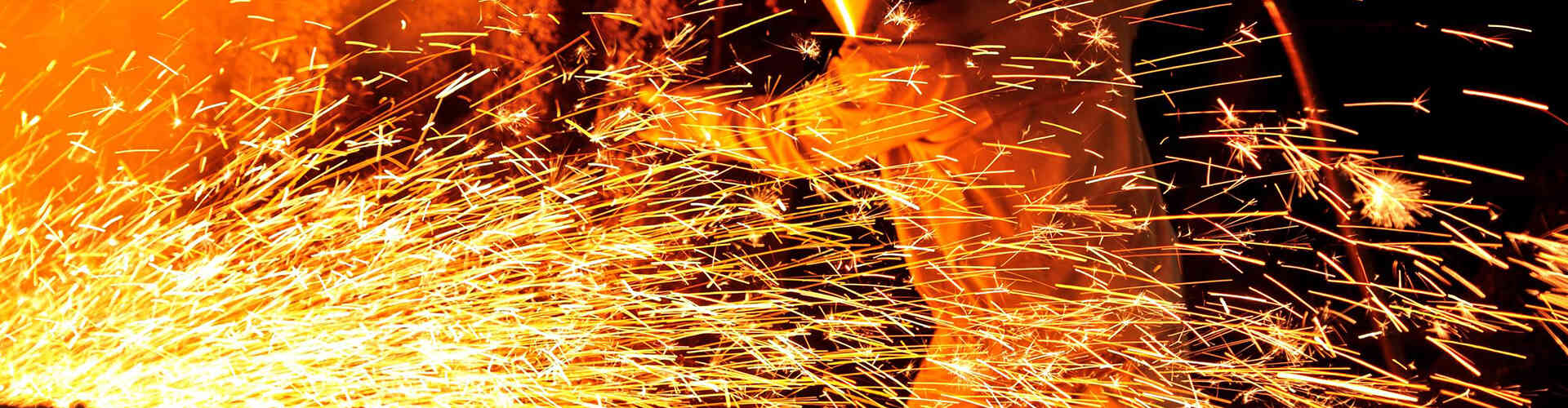
Scegliere il giusto materiale di riempimento della marmitta è una delle decisioni più importanti nella progettazione e manutenzione dei silenziatori di scarico. Nelle motociclette, nei sistemi di scarico ad alte prestazioni, nei silenziatori aftermarket e in altre applicazioni di scarico ad alta temperatura, il materiale di riempimento interno influisce direttamente sull'assorbimento acustico, sulla resistenza al calore, sulla durata e sulla vita utile. Due delle opzioni più frequentemente discusse sono imbottitura in fibra di vetro per silenziatore E Imbottitura per silenziatore in lana d'acciaio Sebbene entrambi i materiali siano utilizzati nei sistemi di scarico, non svolgono la stessa funzione esattamente nello stesso modo.
Gli acquirenti in cerca di prodotti per l'imballaggio delle marmitte Spesso è necessario capire se la fibra di vetro da sola sia sufficiente, se sia necessario un supporto in lana d'acciaio o se una struttura combinata offra il risultato migliore. La scelta corretta dipende dalla temperatura dei gas di scarico, dal design del silenziatore, dal livello di vibrazioni, dal controllo del suono desiderato e dalle aspettative in termini di manutenzione.
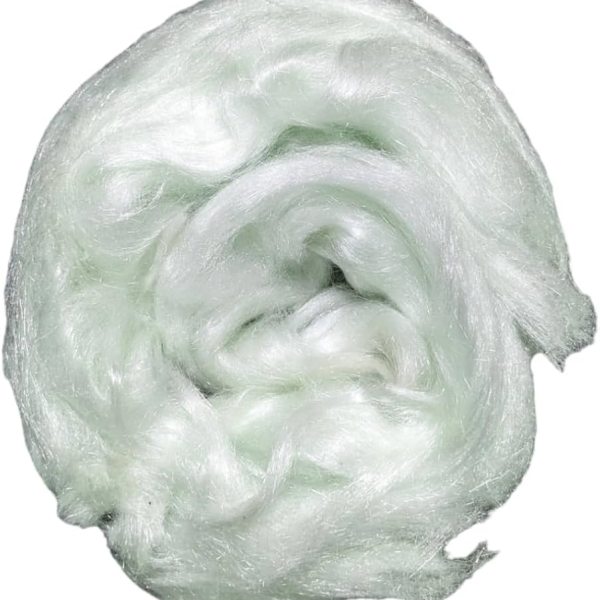
Imbottitura del silenziatore in fibra di vetro La fibra di vetro è un materiale fonoassorbente ad alta temperatura ampiamente utilizzato all'interno di marmitte e silenziatori. Viene tipicamente installata attorno a un nucleo perforato dove contribuisce ad assorbire l'energia acustica dal flusso dei gas di scarico. Grazie alla sua capacità di combinare un forte assorbimento acustico con una buona resistenza al calore, la fibra di vetro è uno dei materiali più comuni utilizzati nei silenziatori per motociclette, negli impianti di scarico sportivi e nelle marmitte aftermarket.
Molti acquirenti cercano anche questo materiale come imballaggio di scarico in fibra di vetro perché è ampiamente utilizzato in diverse applicazioni di sistemi di scarico riutilizzabili. Per molti sistemi, la fibra di vetro rimane la scelta standard perché offre un buon equilibrio tra prestazioni, costi e durata.
Imbottitura in lana d'acciaio per silenziatori di solito si riferisce a uno strato di lana metallica utilizzato all'interno della struttura del silenziatore, spesso vicino al nucleo perforato. In molti modelli di scarico, la lana d'acciaio non è l'unico materiale di riempimento. Invece, viene utilizzata come strato di supporto o di rinforzo insieme alla fibra di vetro o ad altri materiali isolanti. Ecco perché gli acquirenti spesso cercano lana d'acciaio per imballaggio silenziatore quando necessitano di una maggiore stabilità strutturale in zone ad alta temperatura.
La lana d'acciaio è apprezzata per la sua resistenza e capacità di sopportare temperature interne molto elevate, ma da sola non sempre rappresenta la soluzione migliore per sostituire completamente la fibra di vetro quando l'obiettivo è un assorbimento acustico efficiente. In molti sistemi di scarico ad alte prestazioni, la soluzione più efficace è una struttura combinata che utilizza lana d'acciaio per il rinforzo e fibra di vetro per il controllo acustico.
La differenza principale risiede nel modo in cui il materiale si comporta all'interno del sistema di scarico. La fibra di vetro viene scelta principalmente per l'assorbimento acustico e la resistenza al calore, mentre la lana d'acciaio è spesso impiegata per il rinforzo strutturale e per un migliore supporto in prossimità del nucleo perforato in condizioni di temperatura estreme.
In termini pratici:
La fibra di vetro generalmente fornisce un assorbimento acustico più forte ed efficiente nei silenziatori di scarico. La sua struttura fibrosa aiuta a catturare e dissipare l'energia acustica, rendendola un materiale preferito da motociclisti e produttori che desiderano un migliore controllo del rumore. imballaggio per marmitta moto E imballaggio silenziatore di scarico applicazioni.
La lana d'acciaio può contribuire alla struttura interna e alla durata, ma di solito è meno efficace della fibra di vetro se utilizzata da sola come principale materiale fonoassorbente. Per questo motivo, la lana d'acciaio viene spesso combinata con la fibra di vetro anziché sostituirla completamente.
Imballaggio di scarico in fibra di vetro Offre prestazioni ottimali in ambienti di scarico ad alta temperatura ed è ampiamente utilizzato in applicazioni motociclistiche, ad alte prestazioni e aftermarket. Garantisce un'affidabile resistenza al calore per molti modelli di silenziatori, sia standard che ad alte prestazioni.
La lana d'acciaio offre un vantaggio in prossimità delle zone più calde all'interno della marmitta, soprattutto vicino al nucleo perforato dove il calore diretto dei gas di scarico e il flusso dei gas sono più intensi. Per questo motivo, alcuni sistemi di scarico utilizzano la lana d'acciaio come strato di supporto interno per proteggere l'imbottitura esterna in fibra di vetro.
In condizioni di scarico molto aggressive, la lana d'acciaio può migliorare la durata come parte di un ibrido materiale di riempimento dello scarico struttura.
La durata dipende da come viene utilizzato il materiale. Un'imbottitura in fibra di vetro opportunamente selezionata può garantire una lunga durata e un efficace controllo del rumore in molte applicazioni per motociclette e silenziatori. Tuttavia, in condizioni di calore e vibrazioni più estreme, la fibra di vetro da sola potrebbe degradarsi più rapidamente rispetto a una struttura rinforzata.
La lana d'acciaio può migliorare il supporto e la resistenza nella zona interna più calda, ma il suo utilizzo da sola potrebbe non garantire le stesse prestazioni di controllo del suono di un sistema a base di fibra di vetro. Per molti sistemi di scarico impegnativi, la soluzione migliore a lungo termine è un design a strati che combina i punti di forza di entrambi i materiali.
Per la maggior parte dei sistemi di scarico per motociclette, imbottitura in fibra di vetro per silenziatore è il materiale primario più comune e pratico perché offre un forte assorbimento acustico e un'affidabile resistenza al calore. È ampiamente utilizzato nelle motociclette stradali, nelle moto da fuoristrada, nei silenziatori aftermarket e negli impianti di scarico sportivi.
Tuttavia, nelle competizioni, nelle prestazioni estreme o in condizioni di temperature molto elevate, è possibile aggiungere rinforzi in lana d'acciaio per migliorare la stabilità strutturale. In queste situazioni, la questione non è sempre semplicemente scegliere tra fibra di vetro e lana d'acciaio come alternativa. Piuttosto, si tratta spesso di capire se la sola fibra di vetro sia sufficiente o se una struttura in fibra di vetro combinata con lana d'acciaio rappresenti la soluzione migliore.
La fibra di vetro è spesso la scelta migliore quando:
Per molti acquirenti, soluzioni di imbottitura per silenziatori in fibra di vetro rimane l'opzione standard più efficace.
La lana d'acciaio è più adatta quando:
In molti di questi casi, la lana d'acciaio funziona meglio se utilizzata come parte di un sistema di materiali combinati piuttosto che come unico materiale di imballaggio.
In molti progetti di sistemi di scarico avanzati, il risultato migliore si ottiene combinando fibra di vetro e lana d'acciaio. Lo strato di lana d'acciaio è posizionato vicino al nucleo perforato, dove il calore e il flusso di gas sono massimi, mentre lo strato di fibra di vetro fornisce il principale assorbimento acustico nella zona esterna. Questa struttura può offrire un migliore equilibrio tra controllo acustico, resistenza termica e durata interna.
Per gli acquirenti in cerca di professionalità imballaggio del silenziatore di scarico Questo approccio ibrido è spesso più efficace rispetto al trattamento della fibra di vetro e della lana d'acciaio come alternative completamente separate.
Quando si seleziona il giusto materiale di riempimento della marmitta Gli acquirenti dovrebbero considerare:
Il materiale migliore non è sempre quello che sembra più performante sulla carta. È quello che si adatta alle reali condizioni operative del sistema di scarico.
BSTFLEX fornisce servizi professionali prodotti per l'imballaggio delle marmitte Per motociclette, silenziatori di scarico, sistemi di scarico aftermarket e altre applicazioni di isolamento acustico ad alta temperatura. La nostra gamma comprende materiali di riempimento a base di fibra di vetro e altre soluzioni di riempimento per sistemi di scarico progettate per garantire un'affidabile resistenza al calore, assorbimento acustico e prestazioni di lunga durata.
Che tu abbia bisogno imbottitura in fibra di vetro per silenziatore , imballaggio di scarico in fibra di vetro , o rinforzato materiale di riempimento dello scarico Per condizioni di servizio impegnative, BSTFLEX è in grado di soddisfare un'ampia gamma di requisiti per i sistemi di scarico.
Per molte applicazioni su motociclette e silenziatori, la fibra di vetro rimane il materiale di riempimento principale preferito. In condizioni più severe, una struttura combinata di fibra di vetro e lana d'acciaio può fornire risultati migliori a lungo termine. Se stai cercando professionisti imbottitura della marmitta O imballaggio silenziatore di scarico La scelta della struttura del materiale più adatta è essenziale per raggiungere il giusto equilibrio tra isolamento acustico, resistenza al calore e durata.
BSTFLEX produce materiali fonoassorbenti di alta qualità per marmitte, silenziatori, sistemi di scarico aftermarket e altre applicazioni di isolamento acustico ad alta temperatura. Offriamo soluzioni di imbottitura per marmitte e sistemi di scarico in fibra di vetro, oltre ad altri materiali fonoassorbenti per ambienti di servizio esigenti.
Scopri la nostra gamma di prodotti per l'imballaggio delle marmitte. per trovare il materiale giusto per il tuo sistema di scarico.

No.10, Chuangxin North Road, Nanshan Park, Ningguo Economic and Technological Development Zone, Ningguo City, Anhui Province, China
tel/Whatsapp : 0086-15856303740
e-mail : sales@bstbraidedsleeve.com
Skype : vanesa-cheng