Che cosa sta cercando?
L'imbottitura in fibra di vetro per silenziatori è ampiamente utilizzata negli scarichi ad alte prestazioni perché offre un assorbimento acustico resistente al calore, un'installazione flessibile e prestazioni di riempimento stabili attorno al nucleo perforato del silenziatore. Per i silenziatori delle motociclette, i sistemi di scarico da competizione, i silenziatori per ATV e UTV e gli scarichi aftermarket ad alte prestazioni, il materiale di riempimento del silenziatore giusto influisce direttamente sul controllo del suono, sulla durata e sull'efficienza della sostituzione dell'imbottitura.
BSTFLEX fornisce una gamma completa di
materiali di riempimento per marmitte
per silenziatori di scarico, inclusi riempimenti per silenziatori in fibra di vetro, riempimenti in filato di fibra di vetro, materiali di ritenzione per riempimenti in acciaio inossidabile e il
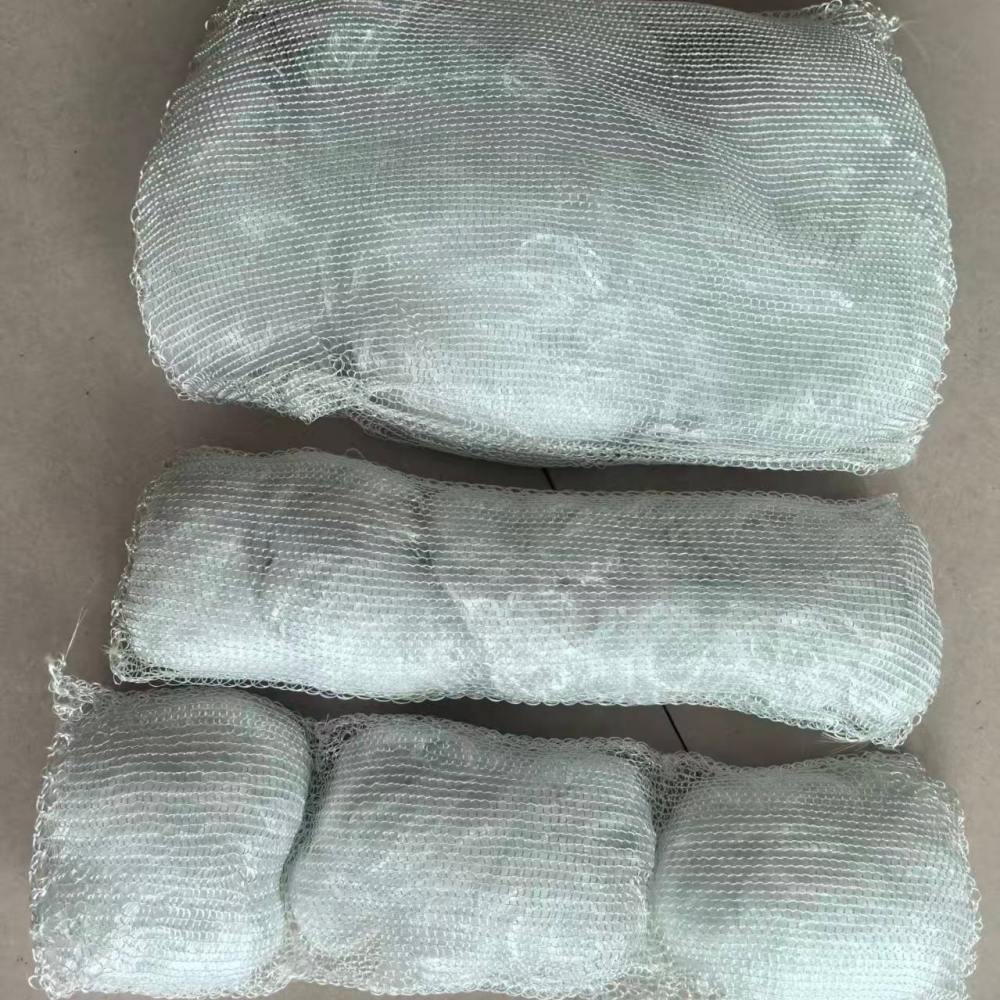
Calza di imballaggio per marmitta in fibra di vetro con sacchetto in rete di vetro intrecciata
Questi prodotti sono progettati per produttori di sistemi di scarico, marchi di marmitte per motociclette, fornitori di kit di riparazione, distributori e costruttori di sistemi di scarico personalizzati.
L'imbottitura per silenziatori in fibra di vetro è un materiale fonoassorbente per sistemi di scarico, realizzato in fibra di vetro o filato di fibra di vetro. Viene posizionata all'interno della camera del silenziatore, solitamente attorno a un nucleo perforato. Quando le onde sonore dei gas di scarico attraversano i fori del nucleo, lo strato di fibra contribuisce ad assorbire parte dell'energia sonora e a ridurre il rumore di scarico.
Nei silenziatori di scarico ad alte prestazioni, il materiale fonoassorbente non deve limitarsi a riempire lo spazio vuoto. Deve resistere al calore, alle vibrazioni, alle pulsazioni dei gas di scarico e ai ripetuti cicli di utilizzo. Un materiale fonoassorbente in fibra di vetro ben selezionato contribuisce a mantenere un livello sonoro stabile e riduce la necessità di frequenti sostituzioni del materiale fonoassorbente.
La maggior parte dei silenziatori ad alte prestazioni a flusso diretto utilizza un tubo interno perforato. I gas di scarico fluiscono attraverso il nucleo centrale, mentre le onde sonore passano attraverso le perforazioni nello strato di materiale fonoassorbente circostante.
L'imbottitura in fibra di vetro del silenziatore forma uno strato poroso attorno al nucleo. Questa struttura fibrosa contribuisce ad assorbire l'energia sonora e a ridurre il suono di scarico acuto e stridulo che si riscontra spesso nei silenziatori vuoti o mal riempiti.
Il materiale di riempimento non deve essere né troppo lasco né troppo compresso. Un materiale di riempimento lasco può spostarsi, assestarsi o fuoriuscire. Un materiale di riempimento eccessivamente compresso può ridurre l'efficienza acustica. La densità corretta aiuta il silenziatore di scarico a mantenere l'assorbimento acustico e la stabilità durante il funzionamento.
Nelle applicazioni ad alto flusso o da competizione, è possibile utilizzare una griglia di scarico in acciaio inossidabile o uno strato di lana d'acciaio inossidabile in prossimità del nucleo perforato. Ciò contribuisce a proteggere l'imbottitura in fibra di vetro della marmitta dall'impatto diretto delle pulsazioni di scarico e migliora la tenuta dell'imbottitura.
I silenziatori di scarico ad alte prestazioni spesso operano a carichi termici superiori rispetto ai silenziatori standard. I materiali in fibra di vetro vengono scelti perché resistono meglio alle alte temperature dei gas di scarico rispetto a molti materiali isolanti organici.
I motori da competizione, le motociclette modificate, i quad, gli UTV e i sistemi di scarico ad alto flusso creano impulsi di scarico più intensi. La struttura di riempimento deve resistere al movimento e mantenere la posizione all'interno del silenziatore.
I silenziatori per moto e compatti ad alte prestazioni solitamente hanno uno spazio interno limitato. Una struttura di riempimento controllata contribuisce a ottenere un assorbimento acustico stabile senza rendere difficile l'installazione.
Gli impianti di scarico ad alte prestazioni potrebbero richiedere una manutenzione periodica. Materiali fonoassorbenti in fibra di vetro pretagliati, sacchetti per silenziatori e calze fonoassorbenti contribuiscono a rendere la sostituzione del materiale fonoassorbente più pulita e ripetibile.
Per applicazioni di scarico ad alte prestazioni che richiedono un'installazione più pulita e un riempimento più controllato, BSTFLEX offre una calza fonoassorbente in fibra di vetro per silenziatori. Questo prodotto utilizza un sacco esterno in rete di fibra di vetro intrecciata e un'imbottitura interna in filato di fibra di vetro. Il sacco in rete aiuta a contenere la fibra, mentre il filato interno in fibra di vetro fornisce un assorbimento acustico resistente al calore.
Rispetto all'imballaggio sfuso per silenziatori, il design a calza è più facile da maneggiare, più facile da posizionare attorno al nucleo e più adatto ai kit di riparazione pretagliati o all'assemblaggio di silenziatori OEM. È particolarmente utile laddove la consistenza dell'imballaggio, la presentazione della confezione e la velocità di installazione sono fattori importanti.
La dimensione corretta dell'imbottitura dipende dallo spazio disponibile tra l'involucro della marmitta e il nucleo perforato. Gli acquirenti devono fornire il diametro dell'involucro, la lunghezza dell'involucro, il diametro esterno del nucleo e la lunghezza della camera di riempimento prima di ordinare un'imbottitura per marmitta personalizzata.
La densità di riempimento influisce sull'assorbimento acustico, sull'installazione e sulla stabilità in esercizio. Un silenziatore ad alte prestazioni potrebbe richiedere una densità controllata per ridurre le vibrazioni, consentendo al contempo alle onde sonore di penetrare nello strato di fibre.
I sistemi di scarico ad alto flusso possono richiedere una griglia di protezione in acciaio inossidabile o uno strato di lana d'acciaio inossidabile in prossimità del nucleo perforato. Ciò contribuisce a proteggere l'imbottitura in fibra di vetro dall'impatto diretto delle pulsazioni di scarico e ne migliora la ritenzione.
L'imballaggio sfuso è adatto per lavori di riparazione flessibili. I tappetini pretagliati sono utili per i kit di assistenza. I sacchetti per l'imballaggio delle marmitte e le calze di imballaggio in fibra di vetro sono più indicati per un'installazione più pulita, un imballaggio controllato e un montaggio ripetibile.
I produttori di sistemi di scarico potrebbero preferire componenti di produzione sfusi o pretagliati. I distributori potrebbero preferire kit di riempimento con marchio privato. Le officine di riparazione potrebbero preferire sacchetti o calze per silenziatori pronti per l'installazione.
BSTFLEX è in grado di fornire materiali di riempimento per silenziatori in fibra di vetro adatti a diverse strutture di scarico. Le opzioni disponibili includono riempimento in fibra di vetro sfusa, riempimento in filato di fibra di vetro, componenti di riempimento pretagliati, sacchetti di riempimento per silenziatori, calze di riempimento in fibra di vetro per silenziatori, retine di scarico in acciaio inossidabile e strutture di ritenzione combinate.
La produzione personalizzata può essere basata sulle dimensioni del silenziatore, sul peso di imballaggio desiderato, sulla densità richiesta, sul metodo di imballaggio e sul tipo di applicazione. Per i produttori di sistemi di scarico ad alte prestazioni e i distributori B2B, BSTFLEX offre anche servizi di confezionamento a marchio privato e fornitura di kit di riconfezionamento OEM.
Per potervi fornire un preventivo per l'imbottitura in fibra di vetro più adatta al vostro silenziatore di scarico ad alte prestazioni, vi preghiamo di inviarci le seguenti informazioni:
L'imbottitura in fibra di vetro per silenziatori viene utilizzata all'interno dei silenziatori di scarico per assorbire il suono e ridurre il rumore. È comunemente impiegata nei silenziatori per motociclette, nei sistemi di scarico ad alte prestazioni, negli scarichi per ATV e UTV, nei silenziatori da competizione e nella produzione di silenziatori OEM.
In molte applicazioni di scarico, l'imbottitura per silenziatori in fibra di vetro e l'imbottitura per silenziatori in fibra di vetro si riferiscono a materiali fibrosi simili e resistenti al calore, utilizzati per l'assorbimento acustico all'interno di silenziatori e marmitte.
L'imbottitura in fibra di vetro viene utilizzata perché offre un assorbimento acustico resistente al calore e può essere fornita in diverse forme, come imbottitura sfusa, tappetino, rotolo, sacchetto o calza fonoassorbente per silenziatori, adattandosi a diversi tipi di scarichi.
Si consiglia l'utilizzo di una calza di riempimento per marmitte quando l'acquirente necessita di un'installazione più pulita, di un peso di riempimento controllato, di una maggiore facilità di manipolazione, di kit di riempimento personalizzati o di un assemblaggio ripetibile per la produzione di marmitte OEM.
È possibile ridurre la fuoriuscita del materiale di riempimento utilizzando la densità di riempimento corretta, installando il materiale in modo uniforme, aggiungendo una griglia di scarico in acciaio inossidabile vicino al nucleo perforato e scegliendo una forma di riempimento stabile come una calza di riempimento per silenziatore in fibra di vetro.
Sì. BSTFLEX può personalizzare la forma del materiale, il diametro, la lunghezza, la densità, il peso di riempimento, la struttura di ritenzione, il metodo di taglio e l'imballaggio in base ai disegni, ai campioni o alle dimensioni della marmitta forniti dal cliente.
Imbottitura in fibra di vetro per silenziatori di scarico ad alte prestazioni
Risposta rapida:
Il materiale fonoassorbente in fibra di vetro per silenziatori è un materiale di riempimento acustico resistente al calore, utilizzato attorno al nucleo perforato dei silenziatori di scarico ad alte prestazioni. Assorbe il suono dello scarico, contribuisce a mantenere prestazioni stabili del silenziatore e può essere fornito sotto forma di fibra sfusa, filato, tappetino, rotolo, sacchetto o calza fonoassorbente preformata.
Che cos'è l'imbottitura in fibra di vetro per marmitte?
Come funziona l'imbottitura in fibra di vetro all'interno di un silenziatore
1. I gas di scarico passano attraverso il nucleo perforato
2. La fibra di vetro crea uno strato acustico poroso
3. Una densità di imballaggio adeguata favorisce il controllo del suono
4. Gli strati di ritenzione aiutano a proteggere l'imballaggio
Perché i sistemi di scarico ad alte prestazioni necessitano del materiale di riempimento giusto
Temperatura dei gas di scarico più elevata
Impulsi di scarico più forti
Spazio di imballaggio limitato
Richiesta frequente di riconfezionamento
Tipi comuni di materiale fonoassorbente per marmitte in fibra di vetro
Modulo
Descrizione
Uso tipico
Imballaggio sfuso in fibra di vetro
Materiale di imballaggio in fibra di vetro sfusa, fornito per riempimento flessibile
Uso generale per la riparazione e la sostituzione dell'imbottitura delle marmitte.
Imballaggio di filato in fibra di vetro
Filato in fibra di vetro di tipo tessile utilizzato come materiale di riempimento interno per lo scarico.
Imballaggio personalizzato per marmitte, riempimento di silenziatori, applicazioni OEM
Tappetino da imballaggio in fibra di vetro
Foglio o tappetino avvolto attorno al nucleo perforato
Scarichi per motociclette, silenziatori per auto, marmitte aftermarket
Borsa per imballaggio della marmitta
Materiale di imballaggio pre-contenuto all'interno di una struttura esterna a rete o a sacco
Reimballaggio più pulito, kit di distribuzione, assemblaggio controllato
Calza sigillante in fibra di vetro per marmitta
Sacchetto esterno in rete di vetro intrecciata con imbottitura interna in filato di fibra di vetro
Marmitte ad alte prestazioni, scarichi per moto, scarichi per ATV/UTV, kit di imbottitura OEM
Calza fonoassorbente in fibra di vetro per silenziatori di scarico ad alte prestazioni
Imbottitura in fibra di vetro contro materiale di riempimento tradizionale per marmitte.
Punto di confronto
Imbottitura per silenziatore in fibra di vetro
Otturazione di bassa qualità o errata
Resistenza al calore
Adatto ad ambienti con silenziatori di scarico ad alta temperatura
Può degradarsi rapidamente a causa del calore dei gas di scarico.
Assorbimento acustico
La struttura porosa delle fibre favorisce l'assorbimento acustico.
Potrebbe non garantire un controllo del suono stabile
Installazione
Disponibile in fibra sfusa, tappetino, sacco, calza o parte pretagliata
Potrebbe essere difficile da posizionare o mantenere uniforme
Durata di servizio
Può essere adattato alla temperatura, al flusso e alle condizioni di vibrazione dei gas di scarico.
Potrebbe bruciare, muoversi, comprimersi o esplodere prematuramente
Personalizzazione B2B
Personalizzabile in termini di dimensioni, peso, densità e imballaggio.
Solitamente limitato all'uso di base per la sostituzione di massa
Come scegliere l'imbottitura in fibra di vetro per silenziatori ad alte prestazioni
1. Misurare il corpo e il nucleo della marmitta
2. Selezionare la densità di impaccamento corretta
3. Considerare uno strato di ritenzione
4. Scegliere il modulo di fornitura corretto
5. Abbina il prodotto al canale di vendita
Strutture di imballaggio consigliate in base all'applicazione
Applicazione
Direzione consigliata del materiale
Motivo
Marmitta ad alte prestazioni per moto
Imbottitura o calza di riempimento per marmitta in fibra di vetro
Un buon equilibrio tra resistenza al calore, assorbimento acustico e facilità di installazione.
Silenziatore di scarico da competizione
Schermo in acciaio inox + imbottitura in fibra di vetro
Migliora la tenuta della guarnizione in presenza di forti impulsi di scarico
scarico per ATV/UTV
Sacchetto o calza per imballaggio della marmitta in fibra di vetro
Gestisce meglio le vibrazioni se fornito in una struttura controllata
Produzione di sistemi di scarico OEM
Imballaggio personalizzato pretagliato con peso controllato
Migliora la ripetibilità e l'efficienza dell'assemblaggio.
Kit di riconfezionamento per distributori
Calza fonoassorbente in fibra di vetro per silenziatori, con confezione a marchio personalizzato.
Presentazione più pulita e installazione più semplice per gli utenti finali.
sistema di scarico ad alto flusso
Strato di ritenzione metallica più imbottitura acustica in fibra di vetro
Riduce il movimento dell'imballaggio e migliora la durata in prossimità del nucleo
Problemi comuni causati da una scelta inadeguata del materiale fonoassorbente per la marmitta.
Imbottitura personalizzata in fibra di vetro per silenziatori da BSTFLEX
Guida alla richiesta di offerta
Invia richiesta di preventivo
Domande frequenti
A cosa serve l'imbottitura in fibra di vetro per silenziatori?
L'imbottitura per marmitte in fibra di vetro è la stessa cosa dell'imbottitura per marmitte in fibra di vetro?
Perché si utilizza l'imbottitura in fibra di vetro nei silenziatori di scarico ad alte prestazioni?
Quando è opportuno utilizzare una calza isolante per la marmitta?
Come si può ridurre la fuoriuscita di materiale fonoassorbente dalla marmitta?
BSTFLEX è in grado di personalizzare l'imbottitura in fibra di vetro per i silenziatori?

No.10, Chuangxin North Road, Nanshan Park, Ningguo Economic and Technological Development Zone, Ningguo City, Anhui Province, China
tel/Whatsapp : 0086-15856303740
e-mail : sales@bstbraidedsleeve.com
Skype : vanesa-cheng