Che cosa sta cercando?

Un prezzo al chilogrammo più basso non significa sempre un costo di imballaggio inferiore per silenziatore finito. Prima di scegliere tra un cuscino di riempimento per marmitta e riempimento sfuso per marmitta, decidi quali operazioni dovrebbe eseguire la tua linea di assemblaggio e quali dovrebbero essere completate dal fornitore dell'imballaggio.
Un cuscino di riempimento contiene una quantità specificata di fibra in un componente formato o racchiuso. Il riempimento sfuso viene fornito senza quella forma di componente finita e viene misurato e distribuito durante l'assemblaggio. I cuscini possono ridurre la preparazione a bordo linea; il riempimento sfuso consente all'assemblatore di controllare il processo di riempimento. Nessuno dei due formati è automaticamente più silenzioso, più resistente al calore o più economico.
BSTFLEX offre cuscini di riempimento per marmitta insieme ad altri materiali di riempimento per silenziatori di scarico e formati di fornitura. Il seguente confronto è destinato ai produttori di scarichi che scelgono un metodo di produzione, non semplicemente all'acquisto di materiale sostitutivo per una marmitta.
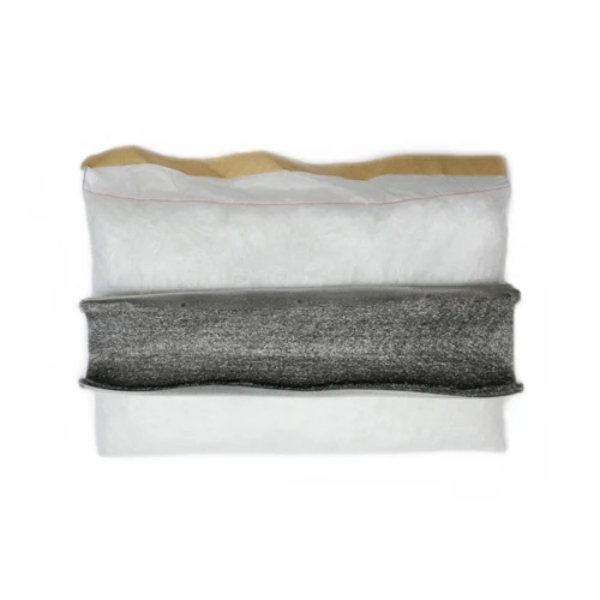
Cuscino descrive la forma del componente, non la chimica della sua fibra. Due cuscini di riempimento per scarico possono contenere materiali diversi, utilizzare strati di contenimento diversi e richiedere metodi di installazione diversi. Allo stesso modo, il riempimento sfuso descrive una condizione di fornitura piuttosto che un particolare grado di fibra.
Mantieni l'approvazione del materiale separata dalla decisione di acquistare un cuscino. Registra prima il tipo di fibra, la costruzione e i requisiti operativi. Quindi valuta come quel materiale approvato dovrebbe raggiungere la stazione di assemblaggio.
Ad esempio, il calzino di riempimento per marmitta in fibra di vetro con sacchetto in rete di vetro intrecciata di BSTFLEX utilizza filato di fibra di vetro all'interno di una rete di vetro intrecciata. Questa è una costruzione contenuta specifica, non una specifica che si applica a ogni cuscino o sacchetto di riempimento.
| Domanda di produzione | Cuscino di riempimento | Riempimento sfuso |
|---|---|---|
| Chi stabilisce la quantità per ogni silenziatore? | Il fornitore può preparare ogni componente a un peso di riempimento concordato. | L'assemblatore misura la carica utilizzando un processo di pesatura o dosaggio definito. |
| Cosa succede quando la geometria della marmitta cambia? | Verifica se le dimensioni o la costruzione del componente richiedono una revisione. | Rivedi la quantità di riempimento, il metodo di distribuzione e l'attrezzatura per la cavità revisionata. |
| Cosa dovrebbe verificare l'ispezione in entrata? | Identificazione della parte, dimensioni, peso di riempimento e dettagli di contenimento. | Identificazione del materiale, quantità netta e compatibilità con il processo di riempimento. |
| Cosa deve controllare l'operatore? | Orientamento, posizionamento, adattamento e chiusura del silenziatore. | Quantità misurata, distribuzione, ritenzione e chiusura del silenziatore. |
| Come dovrebbe essere pianificato l'inventario? | Per numero di componente approvato e le varianti di marmitta che serve. | Per grado di materiale e consumo, con istruzioni di riempimento separate per ogni marmitta. |
| Cosa dimostra il formato preferito? | Adattamento del campione, tempo di assemblaggio misurato e convalida del silenziatore completo. | Capacità del processo di riempimento, tempo di ciclo misurato e convalida del silenziatore completo. |
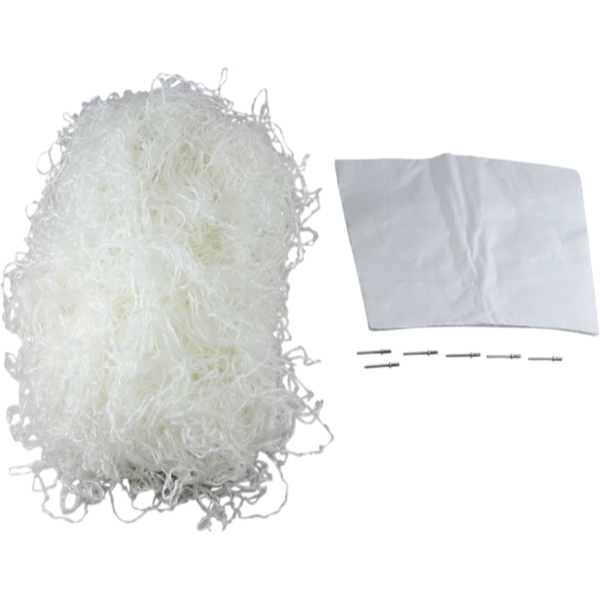
Laddove una postazione realizza diversi design di silenziatori, vale la pena valutare il materiale sfuso prima di impegnarsi in una preforma separata per ogni modello. Determina se una fibra approvata condivisa può servire quei design con diverse quantità di riempimento e istruzioni di lavoro.
Tale flessibilità richiede comunque un controllo. Assegna a ogni modello un riferimento del materiale, il peso di riempimento a secco e la procedura di posizionamento. Un'istruzione verbale di riempire l'involucro finché non risulta sodo non è una specifica di acquisto o di produzione ripetibile.
Un cuscino di riempimento personalizzato per marmitte merita di essere testato laddove gli operatori pesano, dispongono o rimodellano ripetutamente il materiale per lo stesso componente. Chiedi al fornitore di spostare tali fasi di preparazione nel componente fornito, quindi misura il lavoro che rimane alla postazione di assemblaggio.
Non dare per scontato che l'acquisto di un cuscino elimini ogni fase di preparazione. Verifica se il componente fornito necessita ancora di rifilatura, arrotolamento, fissaggio o riempimento finale separato.
Il riempimento diretto di fibra è un altro percorso di produzione. Alcuni sistemi lavorano lo stoppino continuo nella fase di riempimento anziché utilizzare fibra sfusa in sacchi. La compatibilità tra materia prima e attrezzatura deve quindi essere specificata congiuntamente.
Per una fabbrica con un processo di riempimento convalidato, confronta un cuscino con quel processo effettivo, non con un esempio di riempimento manuale non controllato. La domanda pertinente è se cambiare il formato di fornitura migliori i risultati misurati della linea.
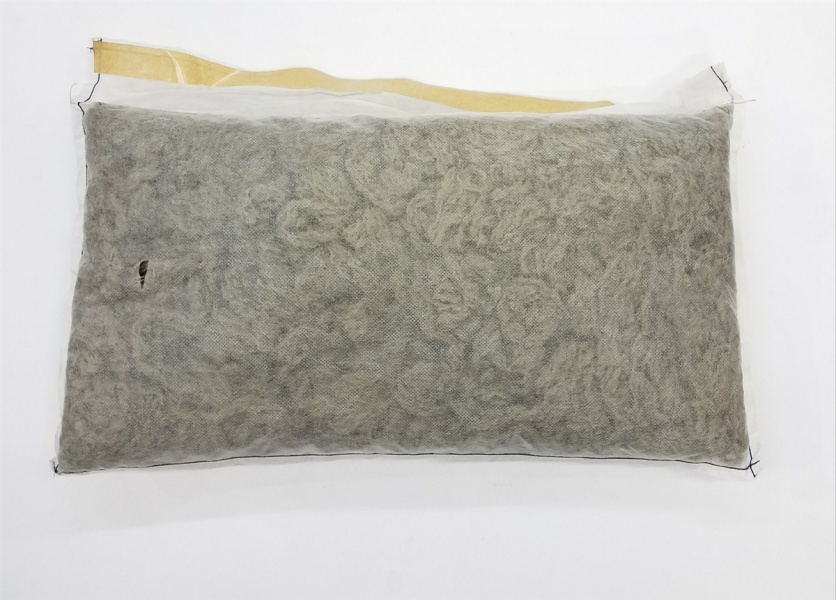
Un preventivo per un cuscino e un preventivo per un sacco di fibra non possono essere confrontati in base al numero di confezioni. Stabilisci la quantità di fibra acustica approvata consegnata in ogni silenziatore.
Peso di riempimento della fibra a secco è la massa della carica di fibra acustica. Peso del componente finito include anche il rivestimento, le cuciture e altre parti incorporate. Peso di spedizione include l'imballaggio. Indica quale misurazione utilizzano il disegno e il registro di ispezione.
Per una cavità specificata riempita di fibra, la densità media installata viene calcolata come:
Densità media della fibra installata = massa della fibra a secco / volume netto assegnato a quella fibra.
Usa unità coerenti, come grammi e centimetri cubi. Escludi lo spazio assegnato al nucleo, ai rivestimenti metallici e ad altri componenti separati. Non calcolare la densità installata dalle dimensioni esterne di un sacco di spedizione compresso.
Questa media è un controllo della quantità, non una prova di distribuzione uniforme. Due assemblaggi possono contenere la stessa massa di fibra nello stesso volume nominale posizionando però la fibra in modo diverso. Convalida sia la quantità che la sua posizione.
Fornisci la geometria interna dell'involucro, il diametro esterno del nucleo, la lunghezza di riempimento effettiva ed eventuali sezioni a gradini o sfalsate. Mostra anche come si chiude il silenziatore. Avvolgere un nucleo prima di inserirlo in un involucro è un'operazione di assemblaggio diversa dal posizionare il materiale in un involucro aperto prima della chiusura.
Per un campione di cuscino, controlla cuciture, sovrapposizioni, spazi liberi alle estremità ed eventuali pezzi di riempimento finale separati. Conferma che il componente possa essere posizionato senza aprire il suo contenimento o forzare il materiale in uno spazio non previsto.
Per il riempimento sfuso, controlla l'accesso a ogni parte della cavità e definisci come gli operatori o le attrezzature distribuiscono la carica. Un involucro irregolare non è, di per sé, un motivo per rifiutare una preforma personalizzata o selezionare automaticamente il materiale sfuso.
Chiedi se le dimensioni specificate del cuscino sono misurate da rilassato, compresso per la spedizione o installato. Queste sono condizioni di misurazione diverse e non dovrebbero condividere una tolleranza non definita.
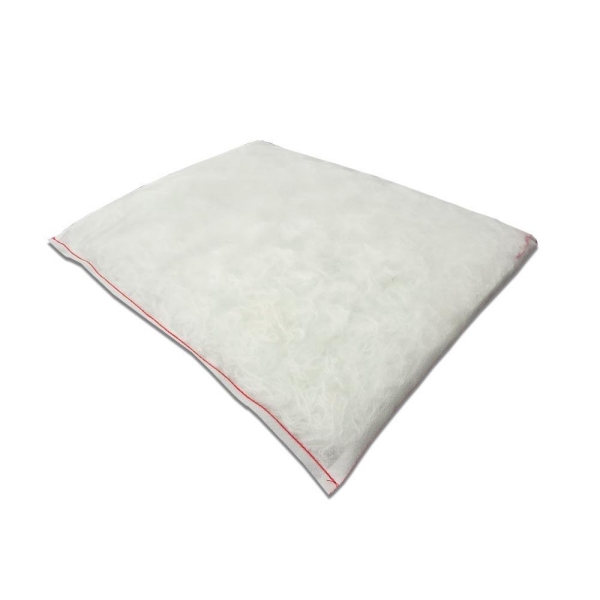
Identifica lo scopo di ogni rivestimento, cucitura, adesivo o strato di tenuta. Chiedi quali elementi rimangono in servizio, quali vengono rimossi durante l'installazione e se qualcuno è progettato per rilasciarsi durante il riscaldamento iniziale. Segui le istruzioni per la costruzione approvata invece di applicare un unico metodo di installazione a tutti i cuscini.
Mantieni separato nelle specifiche qualsiasi rivestimento metallico lato nucleo o rete di ritenzione. Un componente che tiene insieme la fibra durante la manipolazione non dovrebbe essere accettato automaticamente come sostituto di uno strato protettivo esistente.
Analogamente, passare dal riempimento sfuso a un cuscino non stabilisce una nuova classificazione di temperatura, riduzione del rumore o intervallo di manutenzione. Tali risultati devono essere valutati per il materiale e la configurazione completa del silenziatore.
Usa un confronto coerente dei costi di produzione per entrambe le opzioni:
Costo relativo al riempimento per silenziatore accettato = costo totale relativo al riempimento per il lotto di produzione / numero di silenziatori accettati in quel lotto.
Includi l'imballaggio acquistato, il trasporto, la manodopera di preparazione e assemblaggio, i costi delle attrezzature pertinenti, l'ispezione, la movimentazione e la rilavorazione relativa all'imballaggio. Tieni conto degli scarti in modo coerente senza contare due volte la stessa perdita di materiale. Per un nuovo formato, registra anche lo sviluppo del campione ed eventuali costi di attrezzaggio o configurazione dedicati.
Un cuscino è economicamente preferibile solo quando il suo costo completo e le prestazioni convalidate giustificano l'acquisto. Il riempimento sfuso rimane un'opzione ragionevole quando il processo esistente soddisfa gli obiettivi di qualità e costo richiesti. Nessuna delle due conclusioni può essere stabilita dal solo prezzo al chilogrammo del fornitore.
Cronometra entrambi i metodi nella stessa postazione utilizzando gli stessi punti di inizio e fine. Includi l'apertura delle confezioni, la pesatura ove richiesto, la preparazione del materiale, il montaggio, la chiusura dell'assemblaggio e la pulizia della postazione. Non confrontare solo i pochi secondi spesi per inserire l'imbottitura.
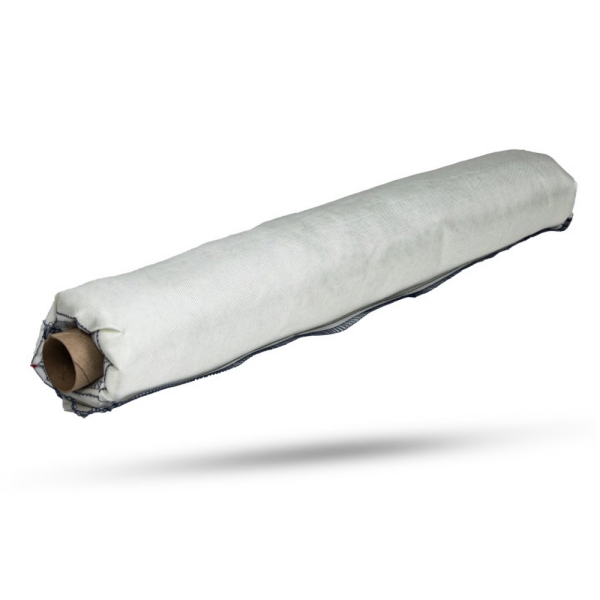
Per isolare l'effetto del formato di fornitura, mantenere costanti il grado di fibra approvato, la massa di riempimento target, la geometria del silenziatore e gli strati lato anima, ove le costruzioni lo consentano. Registrare qualsiasi differenza inevitabile.
Quando il cuscino proposto utilizza una fibra o una disposizione degli strati diversa, trattarlo come un design di riempimento diverso, non solo come un cambio di imballaggio. Potrebbe richiedere una diversa quantità di riempimento approvata; forzare entrambe le opzioni alla stessa massa non è automaticamente un confronto equo.
Utilizzare un registro di approvazione del campione che copra l'identificazione dei componenti, il peso del riempimento a secco, l'adattamento installato, il tempo di assemblaggio e la distribuzione osservata. Confrontare il suono nelle stesse condizioni di test documentate e ispezionare la ritenzione dopo la prova operativa concordata.
Un assemblaggio riuscito stabilisce un punto di partenza. Prima di ordini ripetuti, concordare la revisione del disegno, i limiti di accettazione, il metodo di ispezione e i requisiti di imballaggio.
| Voce RFQ | Informazioni da fornire |
|---|---|
| Design del silenziatore | Revisione del disegno, dimensioni interne del guscio, dimensioni dell'anima, lunghezza imballata e accesso all'assemblaggio. |
| Materiale approvato | Specifica della fibra, rivestimenti esistenti e condizioni operative, con posizioni di misurazione della temperatura identificate. |
| Quantità di riempimento | Massa di fibra secca o densità installata approvata, più la distinzione tra peso di riempimento e peso totale del componente. |
| Processo attuale | Riempimento manuale, riempimento diretto, avvolgimento o installazione di preforme; includere il problema che la modifica proposta dovrebbe risolvere. |
| Condizione di fornitura richiesta | Materiale sfuso, cariche pre-pesate, cuscino, calza o altro componente personalizzato, con condizioni di misurazione e imballaggio definite. |
| Quantità di progetto | Quantità di prototipo, quantità d'ordine, domanda prevista e numero di varianti di silenziatore. |
| Requisiti di approvazione | Riferimenti dei campioni, controlli di adattamento, valutazione delle prestazioni concordata e criteri di accettazione della produzione. |
BSTFLEX supporta lo sviluppo basato su disegni e campioni per imballaggio personalizzato per marmitte OEM. Specificare se la richiesta è di riprodurre un componente approvato, confrontare i formati di fornitura o sviluppare un nuovo design di imballaggio.
Può esserlo, a condizione che il materiale, la quantità misurata e il metodo di riempimento siano approvati per il silenziatore. Specificare i controlli di produzione richiesti invece di rifiutare un materiale perché non fornito come cuscino finito.
Non si deve presumere alcun miglioramento dal nome del formato. Confrontare la fibra effettiva, la quantità installata, la distribuzione e il silenziatore completo nelle stesse condizioni di test.
Utilizzare solo un metodo di taglio a misura approvato per quella costruzione. Tagliare un componente chiuso può aprire il rivestimento o rimuovere parte della carica di fibra prevista. Per la produzione ripetuta, richiedere le dimensioni finite corrette invece di lasciare la rifilatura non verificata all'operatore di assemblaggio.
Sono entrambe possibili forme di imballaggio contenuto, ma la loro geometria, il rivestimento e la specifica di riempimento possono differire. Confrontare il disegno e la distinta base, non solo i nomi dei prodotti.
Valutare un cuscino di imballaggio quando è necessario che il fornitore consegni una carica di fibra definita in un componente abbinato al silenziatore. Valutare il riempimento sfuso quando il proprio processo di produzione è attrezzato per misurare, distribuire e trattenere il materiale approvato in modo coerente.
Per un progetto basato su cuscini, iniziare con il BSTFLEX Muffler Packing Pillow e fornire il materiale, le dimensioni e le condizioni di assemblaggio richieste. Per un confronto più ampio dei formati, inviare la specifica di riempimento attuale, il disegno del silenziatore, il requisito del campione e il volume d'ordine previsto.
Richiedere una revisione e un preventivo del formato di imballaggio per marmitte OEM

No.10, Chuangxin North Road, Nanshan Park, Ningguo Economic and Technological Development Zone, Ningguo City, Anhui Province, China
tel/Whatsapp : 0086-15856303740
e-mail : sales@bstbraidedsleeve.com
Skype : vanesa-cheng