Che cosa sta cercando?
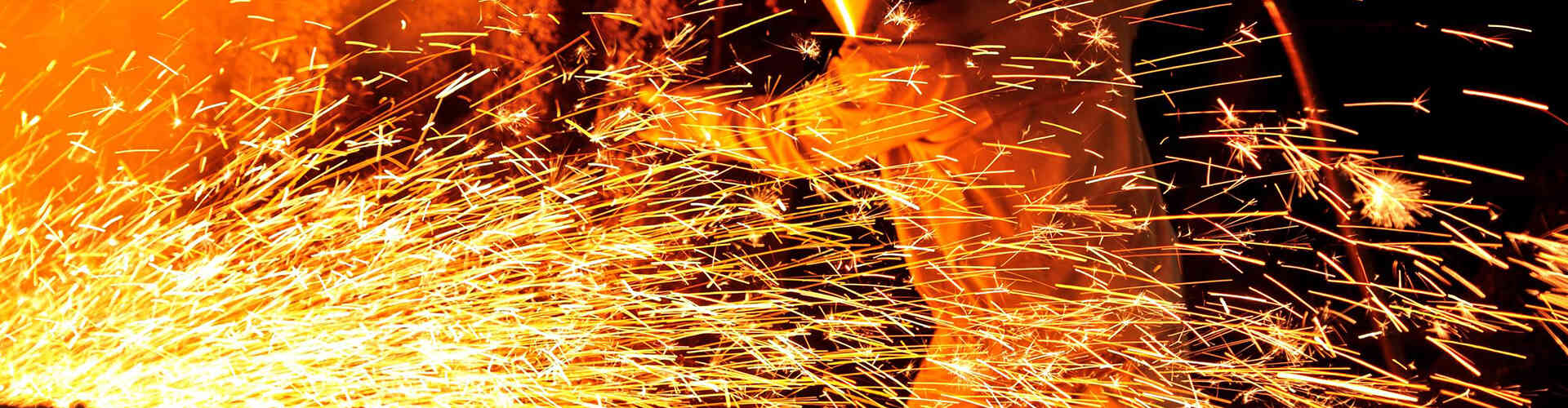
Una linea di scarico del generatore deve fare molto di più che trasportare gas caldo fuori da un involucro. Deve rimanere accessibile per l'ispezione, adattarsi ai movimenti e mantenere le apparecchiature vicine entro i limiti di temperatura previsti. L'aggiunta di isolamento non dovrebbe rendere più difficile nessuno di questi compiti.
Isolamento del tubo di scarico del generatorepuò essere fornito come rivestimenti rimovibili per tratti di tubo rettilinei, coperte sagomate per gomiti e coperture separate per flange o silenziatori. La costruzione dovrebbe seguire il layout di scarico approvato, con la selezione del materiale basata sulle condizioni operative piuttosto che sulla sola potenza del generatore.
BSTFLEX produce coperte isolanti di scarico rimovibili personalizzateper apparecchiature ad alta temperatura. Per i progetti di gruppi elettrogeni, fornire il disegno del tubo, i requisiti di temperatura e i punti di accesso per la manutenzione in modo che l'isolamento proposto possa essere esaminato come un assemblaggio completo.
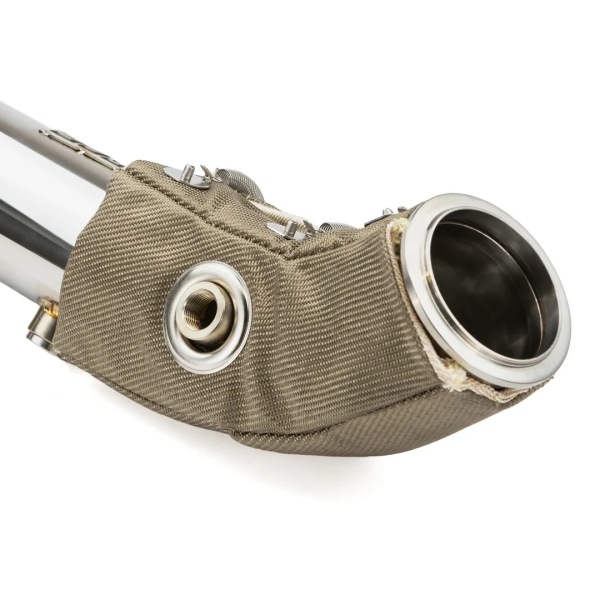
Considerare un tubo che va dall'uscita del motore attraverso un gomito fino a un silenziatore. Una copertura isolante continua potrebbe sembrare semplice, ma diventa scomoda quando un tecnico deve accedere alla flangia del gomito o al collegamento del silenziatore.
Una specifica più utile identifica dove inizia e finisce ogni sezione di isolamento. Il tubo dritto, la curva e il collegamento di servizio possono quindi essere coperti separatamente, con dettagli dei giunti progettati per limitare le aree calde esposte senza impedire lo smontaggio.
La seguente disposizione è un punto di partenza per la discussione, non un design di installazione universale.
| Sezione di scarico | Approccio all'isolamentoda valutare | Dettaglio da confermare |
|---|---|---|
| Tubo dritto | Coperta cilindrica rimovibile o rivestimento per tubi segmentato | Diametro esterno, lunghezza isolata, posizioni di supporto e accesso alla chiusura |
| Gomito o disassamento | Coperta isolante sagomata | Angolo di curvatura, raggio della linea centrale, flange adiacenti e spazio circostante |
| Collegamento flangiato | Copertura rimovibile separata o sezione di rivestimento accessibile | Sporgenza dei bulloni, spazio per gli attrezzi e giunto con l'isolamento adiacente |
| Corpo del silenziatore | Rivestimento isolante esterno sezionale, ove consentito dal produttore dell'apparecchiatura | Collegamenti terminali, supporti, scarichi e aperture di servizio |
| Giunto flessibile o giunto di espansione | Solo la disposizione di protezione termica approvata per quel componente | Movimento consentito, restrizioni di fissaggio e se l'isolamento è consentito |
Per le sezioni curve, la coperta isolante termica per gomitiBSTFLEX fornisce un riferimento di prodotto per discutere l'adattamento. Confermare il diametro effettivo, la geometria della curva e la temperatura prima di selezionare una costruzione per l'installazione di un generatore.
Una richiesta che indica solo una temperatura di scarico lascia una domanda importante senza risposta: dove è stata misurata quella temperatura?
Temperatura dei gas di scaricodescrive il gas all'interno del tubo. È un'informazione operativa utile, ma non è automaticamente la stessa della temperatura del metallo all'interfaccia dell'isolamento.
Temperatura della superficie del tuboè la condizione rilevante del lato caldo per un sistema di isolamento a contatto. Utilizzare i dati misurati o le informazioni di progettazione del produttore dell'apparecchiatura e identificare il carico operativo associato a tale valore.
Temperatura della superficie esterna della copertaè un obiettivo di prestazione per l'assemblaggio installato. Specificarlo insieme alle condizioni ambientali, al flusso d'aria, alle posizioni di misurazione e allo stato operativo del generatore.
Per l'isolamento dello scarico di un generatore diesel, includere la condizione operativa approvata più gravosa, non solo una breve prova di funzionamento a vuoto. Laddove la rigenerazione del post-trattamento modifichi il profilo termico, ottenere i limiti pertinenti e le restrizioni di isolamento dal produttore dell'apparecchiatura.
Una classificazione ad alta temperatura per una singola fibra non stabilisce la temperatura ammissibile dell'intera coperta. Il rivestimento lato caldo, l'anima, il rivestimento esterno, il filo e gli elementi di fissaggio devono tutti essere adatti alle loro condizioni di servizio locali.
La specifica dovrebbe descrivere la funzione di ogni strato piuttosto che nominare un singolo materiale per l'intero rivestimento.
Il rivestimento interno deve essere adatto alle condizioni di temperatura, contatto e manipolazione sul tubo. A seconda del design, può essere appropriato un tessuto resistente al calore o un rivestimento metallico. Identificare il grado del materiale e la sua esposizione prevista invece di affidarsi a una descrizione generica come tessuto ad alta temperatura.
Fibra di vetro, a base di silice o altro isolante fibroso ad alta temperatura possono essere presi in considerazione in base all'applicazione. Confrontare i dati termici, i limiti di servizio e lo spessore installato del materiale selezionato. Esaminare anche i requisiti di manipolazione e la scheda di sicurezza.
Lo spessore dell'isolamento deve adattarsi allo spazio disponibile senza essere involontariamente compresso contro staffe o apparecchiature vicine. Specificare la costruzione finita, non solo lo spessore del materiale sfuso prima della fabbricazione.
Scegliere il rivestimento in base alla temperatura locale prevista e all'esposizione ad abrasione, agenti atmosferici o contaminazione. Un tessuto spalmato può adattarsi a un'installazione, mentre in un'altra potrebbe essere necessaria una costruzione protettiva metallica.
Non trattare la rete in acciaio inossidabile come una barriera a tenuta di liquidi né presumere che un tessuto spalmato renda ogni giuntura e chiusura impermeabile. Laddove gli spruzzi d'olio o l'esposizione agli agenti atmosferici siano rilevanti, richiedere i dettagli della disposizione completa del rivestimento.
Per un confronto più ampio dei materiali, vedere materiali isolanti per tubi di scarico per sistemi ad alta temperatura. Le opzioni per lo strato della coperta e il fissaggio sono trattate anche nella nostra guida alle coperte isolanti per scarichi.
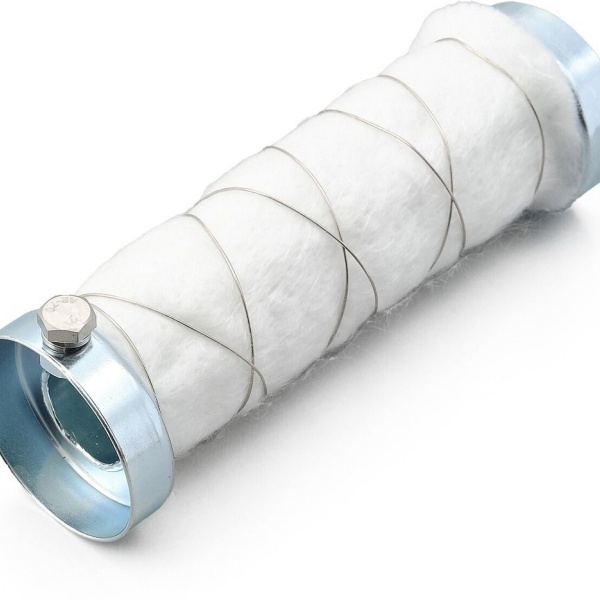
Una coperta per scarico non è un supporto per tubi. Il tubo di scarico e il silenziatore richiedono una propria disposizione di supporto adeguata, con il peso dell'isolamento incluso nella revisione meccanica.
Gli elementi di fissaggio dovrebbero trattenere la coperta senza creare ponti tra componenti in movimento in modo da limitarne il movimento previsto. I giunti flessibili e i soffietti richiedono particolare attenzione: non bloccarli, riempirli o avvolgerli come se fossero normali tubi rigidi.
Ottenere l'approvazione del produttore del componente prima di isolare un collegamento flessibile, un turbocompressore, un collettore o un alloggiamento di post-trattamento. Una coperta adatta a un'installazione su motore non è automaticamente approvata per un'altra.
Mantenere funzionali scarichi, collegamenti dei sensori, punti di ispezione e aperture di ventilazione richieste. Le penetrazioni a parete e a tetto necessitano dei loro assiemi protettivi specificati; una coperta per scarico non sostituisce un dettaglio di penetrazione approvato.
Un sistema di fissaggio può sembrare accessibile su un disegno e diventare difficile da raggiungere una volta che il tubo si trova all'interno di un involucro acustico.
Posizionare ganci, molle o allacciature su un lato accessibile ovunque l'installazione lo permetta. Verificare che la coperta possa essere aperta e rimossa senza smontare tubazioni non correlate o danneggiare il cablaggio vicino. Per una copertura di flangia, includere un accesso sufficiente per gli strumenti necessari dopo la rimozione della copertura.
Per set composti da più pezzi, richiedere un disegno in sezione e un'identificazione corrispondente sulle coperte. Un ordine di sostituzione può quindi fare riferimento allo specifico gomito o sezione di tubo invece di affidarsi a fotografie di una copertura non identificata.
Il riutilizzo dovrebbe dipendere dalle condizioni. Ispezionare il rivestimento, le giunture, l'isolamento e l'hardware di fissaggio prima di reinstallare una coperta rimossa. Le sezioni danneggiate o contaminate necessitano di valutazione piuttosto che di un riutilizzo automatico.
Per un generatore installato in un locale tecnico, esaminare le distanze dai passaggi di servizio, dai cavi e dalle apparecchiature vicine. Per un gruppo elettrogeno in container, verificare l'apertura delle porte, la rimozione dei pannelli e se le chiusure rimangono accessibili all'interno dell'involucro.
I percorsi dei tubi all'aperto introducono un altro requisito: un sistema di copertura progettato per l'esposizione agli agenti atmosferici prevista. Chiedere come saranno protetti giunti, penetrazioni e terminazioni, invece di affidarsi solo alla descrizione del tessuto esterno.
L'isolamento dello scarico riduce il trasferimento di calore dalle superfici che copre; non rimuove tutto il calore prodotto dal motore, dall'alternatore o dal sistema di raffreddamento. Il flusso d'aria di raffreddamento richiesto, l'aria di combustione e le disposizioni per lo scarico dei gas rimangono responsabilità di progettazione separate.
L'isolamento inoltre non sigilla una perdita di scarico né autorizza una riduzione della distanza dai materiali combustibili. Riparare i difetti prima di coprire il tubo e mantenere le distanze richieste dal produttore dell'apparecchiatura.
Prima di ordinare quantità di produzione, concordare come verrà valutato il primo set di coperte. I seguenti controlli forniscono una base utile per il piano di accettazione.
Controllo dell'adattamento: Confermare il diametro del tubo, le lunghezze delle sezioni, le posizioni delle aperture e l'allineamento della chiusura. Cercare compressioni involontarie, spazi vuoti esposti e contatti con apparecchiature adiacenti.
Controllo del servizio: Con il generatore spento in sicurezza, raffreddato e isolato secondo la procedura applicabile, rimuovere una copertura selezionata. Confermare che la flangia, lo scarico o il punto di ispezione previsti siano accessibili e che la copertura possa essere reinstallata correttamente.
Controllo termico: Far valutare l'assieme installato da personale qualificato nelle condizioni operative concordate. Registrare il carico del generatore, la temperatura ambiente, lo stato della ventilazione, il tempo di stabilizzazione e il metodo di misurazione. Includere chiusure, giunture e transizioni nel rilievo termico, non solo il centro di un'ampia area isolata.
Controllo post-ciclo: Dopo i cicli operativi concordati e il raffreddamento sicuro, ispezionare la tenuta, lo sfregamento e qualsiasi variazione nell'adattamento. Registrare le revisioni prima di approvare il design per ordini ripetuti.
Riportare i risultati misurati con le relative condizioni di test. Una coperta descritta semplicemente come in grado di ridurre la temperatura di una percentuale non comunica all'acquirente se un particolare requisito di temperatura superficiale sia stato soddisfatto.
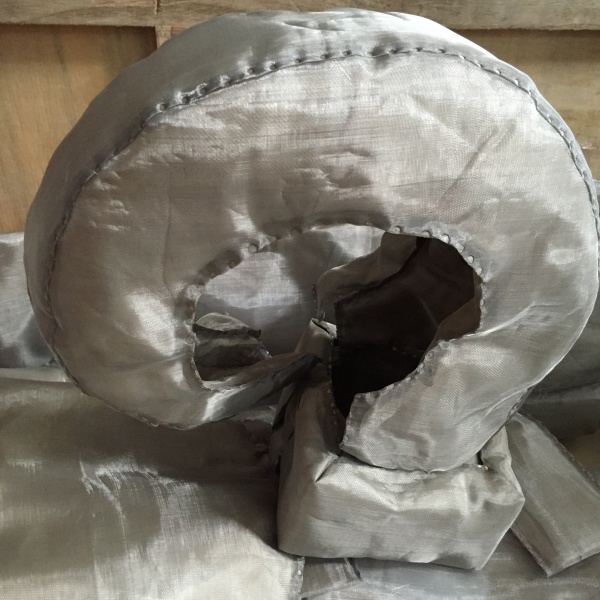
Per confrontare i preventivi per una coperta isolante per tubo di scarico del generatore, fornire a ciascun fornitore la stessa geometria, i requisiti termici e l'ambito di fornitura.
Geometria: Fornire il diametro esterno del tubo, le lunghezze isolate, gli angoli e i raggi di curvatura, le dimensioni delle flange, le sporgenze dei bulloni, i supporti e le aperture di servizio. Includere fotografie che mostrino lo spazio circostante così come il componente di scarico stesso.
Condizioni operative: Identificare il modello del generatore e del motore, i dati disponibili sulla temperatura superficiale, il profilo di carico, le condizioni ambientali ed eventuali restrizioni del produttore sull'isolamento.
Risultato richiesto: Indicare l'involucro isolante finito ammissibile, la temperatura superficiale esterna target ove applicabile, le condizioni di misurazione e le aree che devono rimanere accessibili.
Requisiti di fornitura: Specificare le quantità di prototipi e di produzione, l'imballaggio per singola sezione o per set completo, i requisiti di identificazione e i documenti richiesti con il preventivo.
Chiedere nella proposta di identificare il rivestimento del lato caldo, l'anima, il rivestimento esterno, lo spessore nominale finito, il tipo di chiusura e i confini delle sezioni. Registrare eventuali ipotesi che richiedono ancora conferma. Due preventivi per una coperta di scarico del generatore non sono equivalenti quando uno include le coperture delle flange e l'altro lascia ogni connessione esposta.
BSTFLEX supporta lo sviluppo di isolamenti di scarico personalizzati a partire da disegni, dimensioni e campioni. Il prodotto coperta di scarico rimovibile è un punto di partenza per discutere di rivestimenti per tubi e coperture per componenti sagomati; la costruzione finale dovrebbe essere concordata in base ai requisiti di installazione del gruppo elettrogeno.
Per progetti che combinano isolamento rimovibile con schermi o rivestimenti formati, consultare la gamma di prodotti per schermi termici di scarico e isolamento. La nostra guida alla selezione dell'isolamento per tubi di scarico copre costruzioni alternative dove un rivestimento rimovibile non è l'approccio preferito.
Invia a BSTFLEX il disegno dello scarico del tuo generatore per un preventivo. Includere le condizioni operative, la copertura richiesta, lo spazio libero disponibile e la quantità in modo che il set di coperte proposto possa essere esaminato per adattamento, requisiti termici e accesso al servizio.

No.10, Chuangxin North Road, Nanshan Park, Ningguo Economic and Technological Development Zone, Ningguo City, Anhui Province, China
tel/Whatsapp : 0086-15856303740
e-mail : sales@bstbraidedsleeve.com
Skype : vanesa-cheng