Che cosa sta cercando?
Un tubo di scarico surriscaldato può creare un problema termico ben più grave di quanto il suo diametro possa suggerire.
In un veicolo, in un alloggiamento per generatore, in una sala macchine navale o in un macchinario industriale, il tubo di scarico può trovarsi a pochi centimetri da cablaggi elettrici, tubi idraulici, condotte del carburante, pannelli della carrozzeria, sensori o aree di servizio. Una volta che il sistema di scarico raggiunge la temperatura di esercizio, quello spazio ridotto può diventare il punto critico dell'intera progettazione termica.
È qui cheisolamento del tubo di scaricodiventa necessario.
Un sistema di isolamento adeguato non si limita a rivestire un tubo caldo. Deve controllare il calore resistendo al contempo a vibrazioni, cicli termici ripetuti, contaminazione, movimenti e manutenzione.
Per questo motivo, scegliere l'isolamento basandosi esclusivamente sulla temperatura di esercizio raramente è sufficiente.
BSTFLEX sviluppaisolamento dello scudo termico di scaricoPer sistemi di scarico automobilistici, diesel, marini, per generatori e industriali, inclusi rivestimenti isolanti rimovibili per tubi, isolamenti termici, fasce termiche, manicotti flessibili e barriere termiche metalliche.
Prima di scegliere un materiale isolante, è necessario stabilire quale problema si intende risolvere.
Un tubo di scarico potrebbe aver bisogno di isolamento per i seguenti motivi:
Un cablaggio elettrico nelle vicinanze si sta surriscaldando;
La temperatura dell'involucro è troppo elevata;
Gli operatori sono esposti a superfici calde;
Il calore raggiunge una linea di carburante o idraulica;
Il pianale di un veicolo riceve un calore radiante eccessivo;
la sala macchine ha una ventilazione insufficiente;
il tubo di scarico deve trattenere più calore a valle;
Le apparecchiature circostanti non sono in grado di tollerare la temperatura attuale.
Si tratta di problemi diversi.
Potrebbero essere necessari sistemi di isolamento diversi anche quando la temperatura del tubo di scarico è identica.
Ad esempio, per proteggere il pianale di un veicolo dal calore radiante potrebbe essere preferibile uno schermo riflettente, mentre per ridurre la temperatura della superficie esterna del tubo di scarico di un generatore potrebbe essere necessaria una spessa coperta isolante rimovibile.
L'isolamento dei tubi di scarico si suddivide generalmente in quattro categorie pratiche.
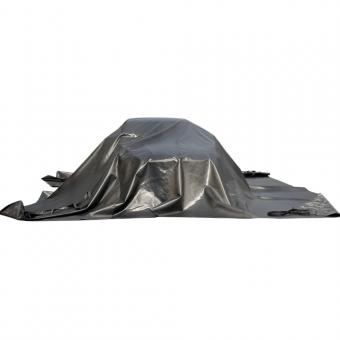
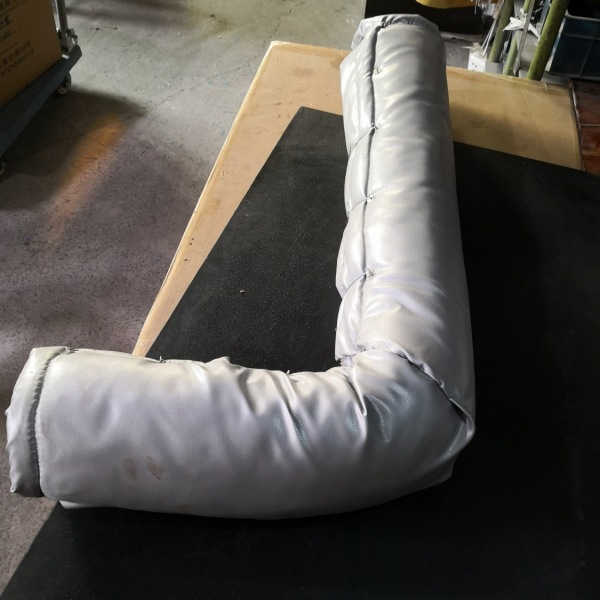
Una coperta rimovibile viene realizzata su misura per adattarsi a uno specifico diametro del tubo o a una particolare geometria del sistema di scarico.
Di solito contiene:
uno strato interno resistente al calore;
isolamento termico;
uno strato protettivo esterno;
fissaggio meccanico.
Questa soluzione costruttiva è particolarmente adatta quando l'accesso per la manutenzione è fondamentale.
Le installazioni tipiche includono:
generatori diesel;
motori marini;
motori industriali;
tubi di scarico di grandi dimensioni;
silenziatori;
gomiti di scarico.
La coperta può essere prodotta in più sezioni anziché in un unico pezzo lungo, consentendo ai tecnici di rimuovere solo la sezione necessaria per l'ispezione.
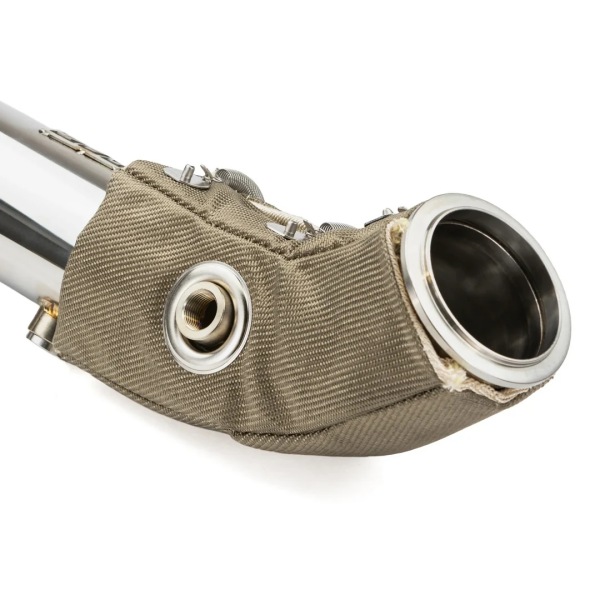
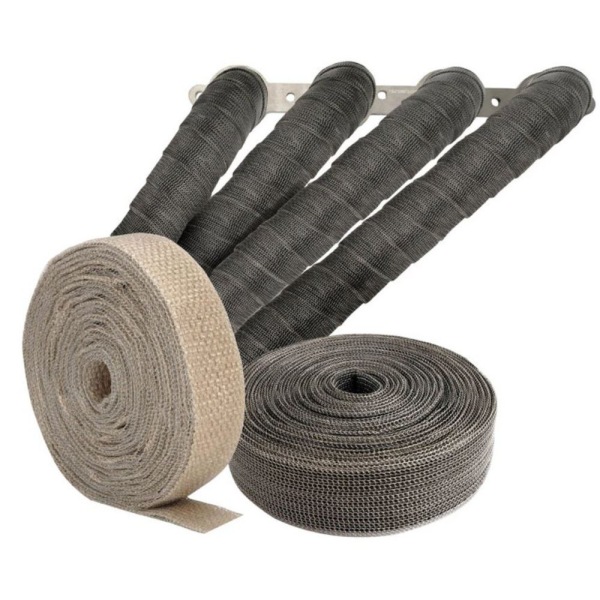
La fascia termica per tubi di scarico viene fornita in rotoli e avvolta a spirale attorno al tubo.
È ampiamente utilizzato per:
collettori di scarico per autoveicoli;
motociclette;
sistemi di scarico ad alte prestazioni;
tubi di scarico di piccolo diametro;
Realizzazione di sistemi di scarico su misura.
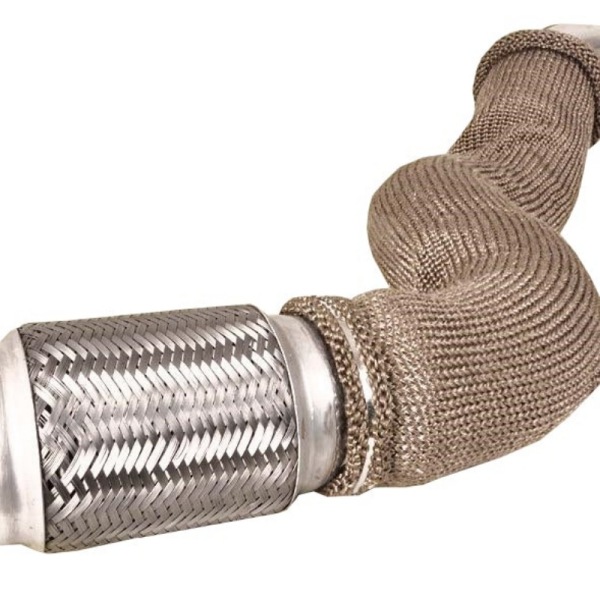
BSTFLEX fornisceFascia termica per scarico e collettorein diverse strutture in fibra resistenti alle alte temperature.
L'isolamento termico offre un modo semplice per isolare superfici tubolari lunghe, ma risulta meno pratico quando l'impianto di scarico deve essere aperto regolarmente per la manutenzione.
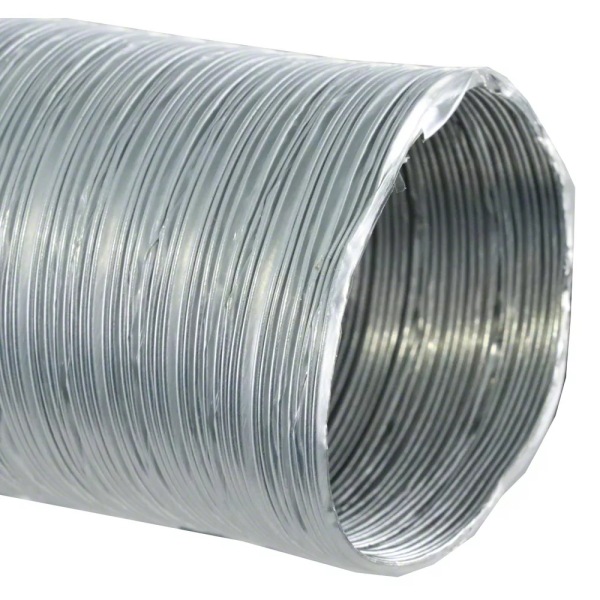
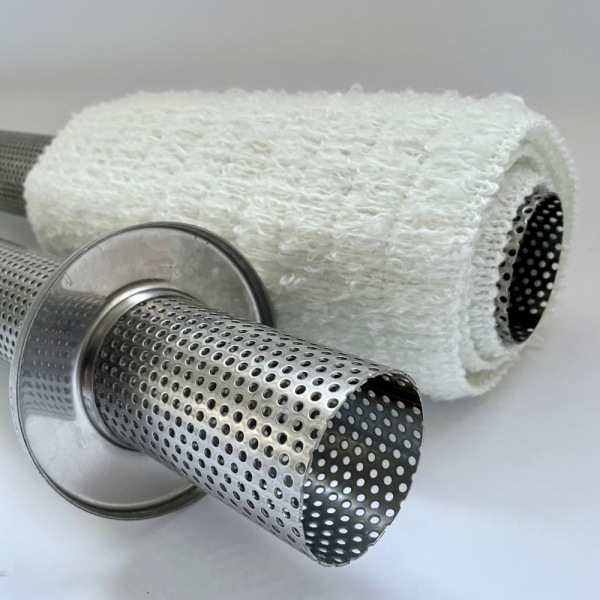
Alcuni sistemi di scarico richiedono una soluzione a manicotto anziché una coperta isolante realizzata su misura.
È possibile installare un isolamento flessibile su tubi di scarico di dimensioni ridotte, laddove il diametro e la geometria siano relativamente semplici.
Ad esempio, il BSTFLEXIsolamento termico dello scarico del riscaldatore dieselÈ progettato per tubazioni di scarico compatte utilizzate in applicazioni come i sistemi di riscaldamento a gasolio.
Le soluzioni di rivestimento e isolamento possono essere particolarmente utili quando:
Lo spazio di installazione è limitato;
il tubo è relativamente piccolo;
È necessaria una copertura continua;
Uno schermo rigido sarebbe difficile da installare.
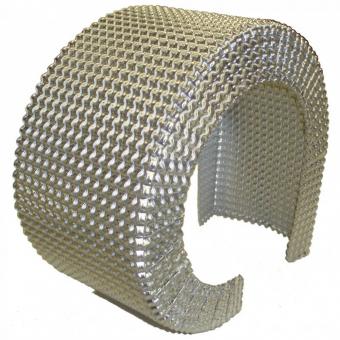
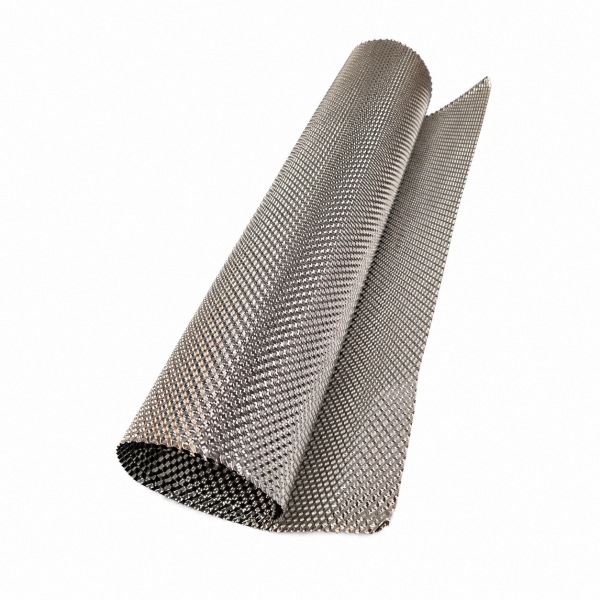
Uno schermo metallico non deve necessariamente toccare il tubo.
Invece, di solito viene installato con uno spazio controllato tra lo schermo e la fonte di calore.
Questa configurazione è particolarmente efficace per ridurre il calore radiante verso i componenti vicini.
I materiali comunemente utilizzati includono:
alluminio;
acciaio inossidabile;
acciaio inossidabile goffrato;
leghe di nichel.
Uno schermo termico in metallo può essere preferibile quando:
Lo spessore dell'installazione deve rimanere basso;
La resistenza agli urti meccanici è importante;
lo scudo deve mantenere una forma specifica;
Il calore radiante è la principale fonte di preoccupazione.
Per ambienti difficili, BSTFLEX produce ancheScudo termico in lega 625 Inconelcomponenti.
Questi termini vengono spesso usati in modo intercambiabile, ma la loro funzione ingegneristica può essere diversa.
Isolamento del tubo di scaricoNormalmente circonda il tubo e limita il trasferimento di calore attraverso uno strato isolante.
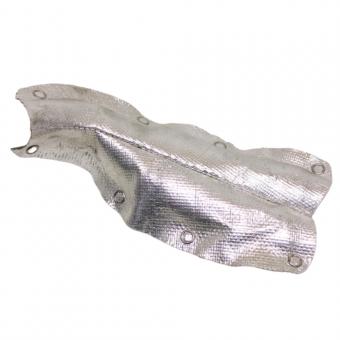
UNscudo termico del tubo di scaricoDi solito si trova tra il tubo e il componente che necessita di protezione.
Uno contiene calore.
L'altro lo blocca o lo reindirizza.
In alcuni sistemi di scarico vengono utilizzati entrambi.
Un motore diesel può avere una coperta isolante rimovibile attorno al tubo di scarico, mentre uno schermo in acciaio inossidabile protegge un quadro elettrico nelle vicinanze.
That combination can provide better thermal control than either solution alone.
Material selection should begin with continuous operating conditions.
Fiberglass is one of the most widely used materials for exhaust insulation.
Advantages include:
flexibility;
good thermal resistance;
availability in many constructions;
practical manufacturing cost.
Fiberglass can be used in:
blankets;
tapes;
wraps;
sleeves;
composite heat shields.
It is often suitable for moderate and high-temperature exhaust applications where extreme temperature exposure is not continuous.
High silica material is selected when higher heat resistance is required.
It may be used as:
outer fabric;
inner hot-side layer;
insulation textile;
heat-resistant wrap.
Silica constructions are useful around:
turbocharged exhaust systems;
manifolds;
high-output diesel engines;
industrial exhaust equipment.
Basalt-based materials are frequently used in automotive and performance exhaust insulation.
They offer:
flexible installation;
strong heat resistance;
good compatibility with wrapped exhaust tubes.
Basalt is often seen in heat wrap and shaped blanket applications.
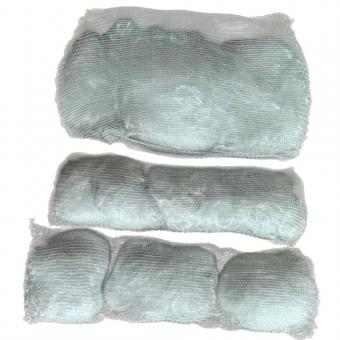
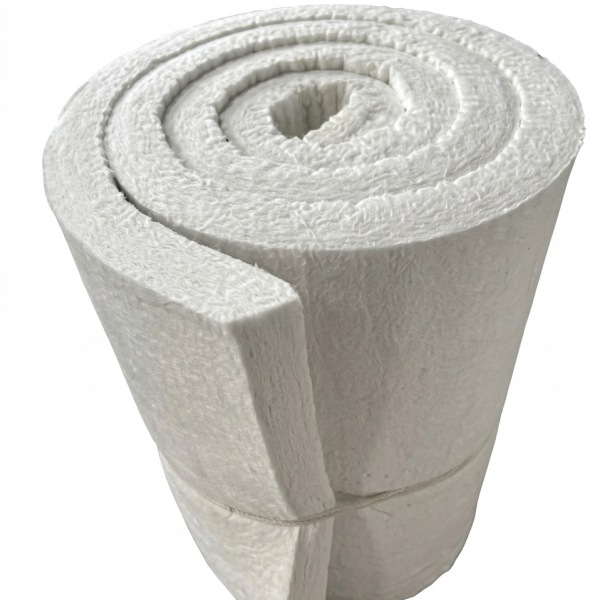
Where a greater temperature reduction is required within limited space, high-temperature insulation cores may be used.
These materials are normally enclosed within:
fiberglass fabric;
silica fabric;
stainless steel foil;
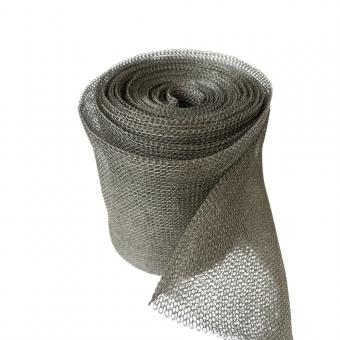
stainless steel mesh.
The insulation core should not be evaluated separately from the blanket construction.
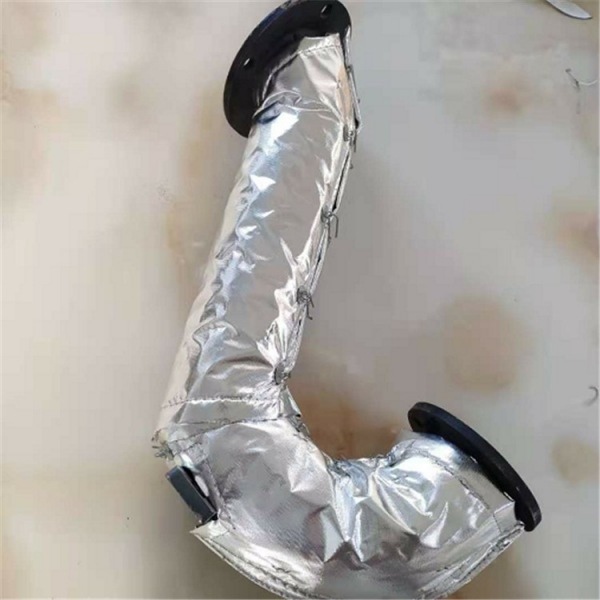
Aluminum is primarily used as a reflective surface rather than a thick insulation medium.
Its low weight makes it particularly suitable for:
automotive underbody protection;
exhaust pipe heat shields;
muffler shields;
vehicle floor insulation.
Stainless steel is preferred where the exhaust heat shield also requires mechanical strength.
It performs well in applications exposed to:
vibration;
road debris;
repeated thermal cycling;
higher temperatures.
Nickel alloys such as Alloy 625 are reserved for demanding environments where temperature, oxidation and corrosion requirements exceed the limits of conventional sheet metals.
A thicker insulation layer generally reduces heat transfer more effectively, but this does not mean the thickest available blanket is automatically the best design.
Increasing thickness can create problems with:
component clearance;
mounting brackets;
adjacent pipe routing;
sensor access;
engine compartment packaging.
In tightly packaged automotive systems, only a few millimeters of space may be available.
In a large generator enclosure, considerably thicker insulation may be practical.
The correct insulation thickness should therefore balance thermal performance with installation geometry.
Diesel exhaust pipes frequently operate for long periods under load.
Heat containment becomes especially important in:
trucks;
construction equipment;
agricultural machinery;
industrial engines;
stationary power systems.
A removablediesel exhaust pipe insulationsystem can reduce heat released into the surrounding engine compartment while still allowing service access.
Generator exhaust piping often runs through compact acoustic enclosures.
This creates a concentrated heat source close to:
electrical cabinets;
acoustic materials;
engine components;
service areas.
A generator exhaust insulation system commonly uses removable sections around pipes, elbows and silencers.
This also allows the insulation to be removed during maintenance without replacing the entire system.
Marine exhaust systems present additional concerns including:
limited ventilation;
moisture;
salt exposure;
vibration;
restricted service space.
For dry marine exhaust systems, segmented blankets are often preferred because they allow easy access to flanges and exhaust connections.
Passenger and performance vehicles use exhaust insulation for:
headers;
downpipes;
catalytic converters;
center exhaust pipes;
mufflers.
Depending on available space, solutions may include:
wrap;
shaped blanket;
metal shield;
reflective barrier.
Industrial engines and machinery may use large-diameter exhaust lines that require customized blanket sections.
These applications often place greater importance on:
durability;
repeatable installation;
service access;
identification of individual insulation sections.
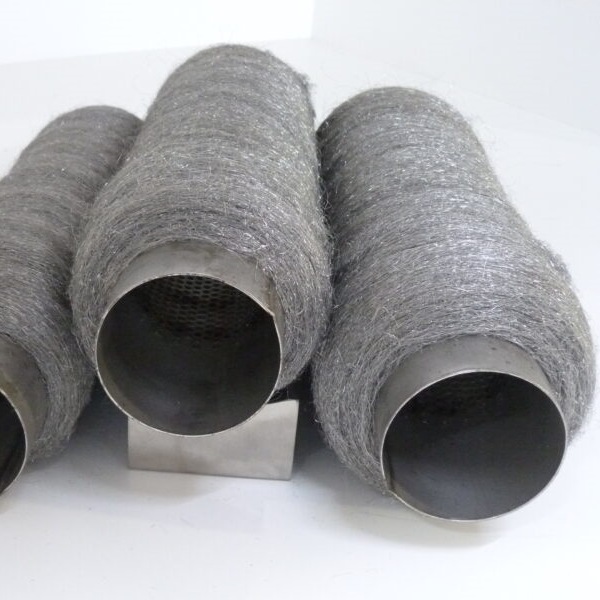
A bend is often more difficult to insulate than a straight pipe.
Wrap can follow gradual bends, but large industrial elbows may benefit from a fitted insulation blanket.
The BSTFLEXThermal Insulation Elbow Blanketis designed for curved exhaust geometry where a standard flat insulation section cannot maintain consistent coverage.
A well-designed elbow blanket should consider:
bend radius;
flange position;
pipe diameter;
seam location;
fastener access.
One of the most common weaknesses in an exhaust insulation system is the flange area.
A thick blanket may work well on the pipe but leave a large exposed metal flange.
That exposed section can become a strong local heat source.
For higher-performance systems, insulation should therefore be designed around:
flange diameter;
bolt access;
connection points;
sensors;
expansion joints.
A removable flap or separate flange blanket may be used where regular access is required.
For serious OEM projects, saying “we need exhaust insulation” is not enough.
A better specification is:
exhaust pipe operating temperature;
ambient temperature;
pipe diameter;
required outer surface temperature;
insulation thickness limit;
airflow condition.
This allows the insulation design to be evaluated against a measurable target.
Without these conditions, it is difficult to compare two insulation systems accurately.
Maintenance requirements are particularly important for:
marine engines;
generators;
mining equipment;
construction machinery;
industrial engines.
If technicians need frequent access to exhaust joints or engine components, permanent wrap can create additional maintenance work.
A removable blanket is usually more practical in these situations.
A segmented system may be designed so that:
each section has an identification mark;
only the required section is removed;
the blanket can be reinstalled after inspection.
This reduces disruption during service.
A high published temperature rating does not guarantee that the complete insulation system will perform correctly.
The full assembly must be considered.
An insulation material that performs well in a laboratory may fail quickly if it rubs continuously against a bracket or neighboring component.
Insulation should not prevent access to:
sensors;
clamps;
inspection ports;
flange bolts.
An exhaust system may need different thermal solutions in different areas.
For example:
manifold: shaped blanket;
straight pipe: wrap;
elbow: removable blanket;
muffler: metal shield.
The outer layer must suit the operating environment, not just the temperature.
Instead of selecting exhaust insulation by material name, use the following sequence.
For a simple tubular pipe:
Consider exhaust wrap or sleeve insulation.
For a pipe that requires regular inspection:
Use a removable pipe insulation blanket.
For an irregular elbow or flange:
Use a custom shaped blanket.
For protecting a nearby panel from radiant heat:
Use a metal or reflective heat shield.
For extreme heat and demanding environments:
Evaluate high-silica, high-temperature fiber, stainless steel or nickel-alloy constructions.
This approach is more reliable than choosing one product type for the complete exhaust system.
For accurate design and quotation, provide:
Pipe dimensions
outside diameter;
overall insulated length;
bend radius;
flange dimensions.
Temperature
normal operating temperature;
maximum temperature.
Installation environment
automotive;
marine;
generator;
industrial;
outdoor;
enclosed.
Service requirement
removable;
permanent;
frequency of maintenance.
Performance requirement
target external temperature;
maximum insulation thickness.
Project information
sample or drawing;
prototype quantity;
expected production volume.
The more complete the input data, the easier it is to design an insulation system that fits correctly from the first prototype.
Exhaust pipe insulation is worth considering whenever an exhaust line creates unacceptable heat exposure for the surrounding system.
The decision should be driven by actual conditions rather than by appearance.
If the objective is to lower heat around the pipe, protect surrounding components or create a safer service environment, an insulation blanket, wrap, sleeve or heat shield may be appropriate.
For applications involving multiple exhaust components, the best result often comes from combining several insulation methods.
BSTFLEX manufacturesexhaust heat shield insulation, removable blankets, exhaust wraps, lagging and custom metal heat shields for automotive, marine, diesel, generator and industrial exhaust systems.
Per un isolamento personalizzato dei tubi di scarico, è necessario fornire le dimensioni del tubo, la temperatura di esercizio, l'ambiente di installazione e la quantità richiesta. In questo modo sarà possibile selezionare una struttura isolante adeguata in base al sistema di scarico specifico, anziché basarsi su una classificazione termica generica.

No.10, Chuangxin North Road, Nanshan Park, Ningguo Economic and Technological Development Zone, Ningguo City, Anhui Province, China
tel/Whatsapp : 0086-15856303740
e-mail : sales@bstbraidedsleeve.com
Skype : vanesa-cheng